
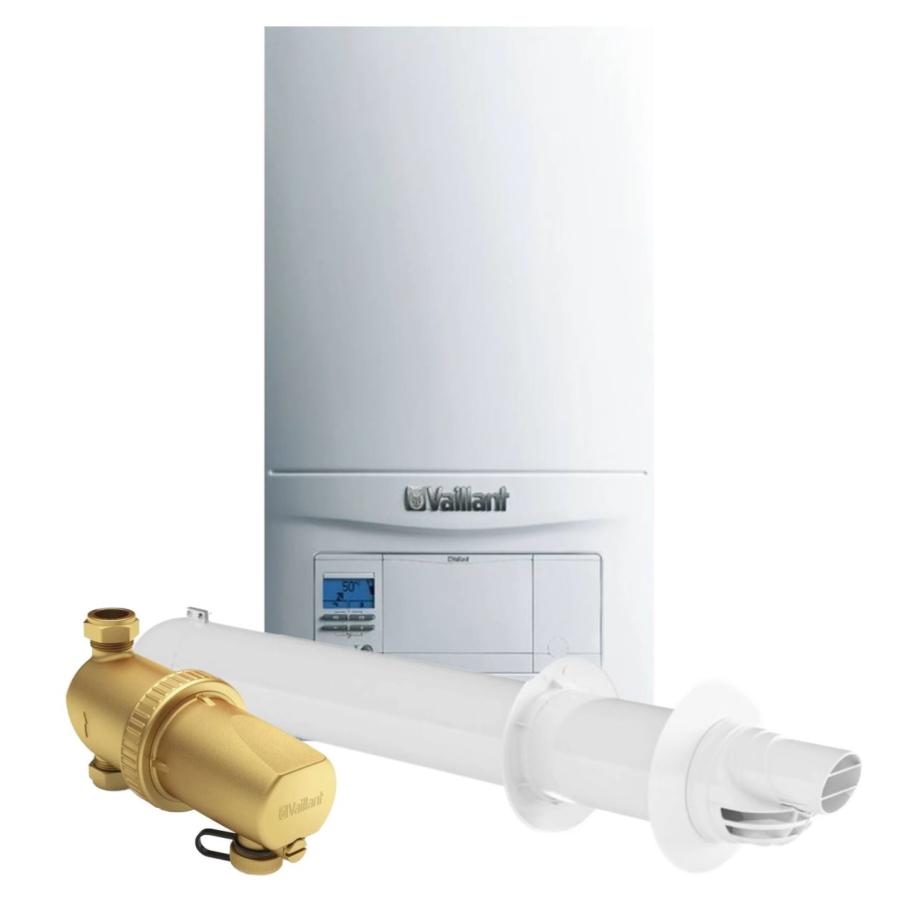
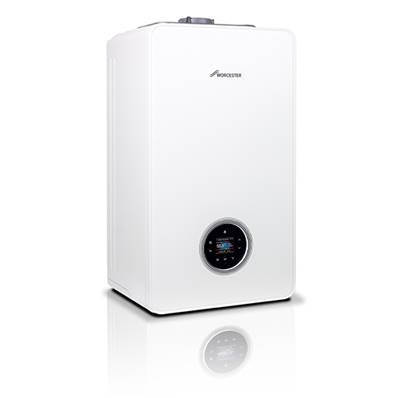
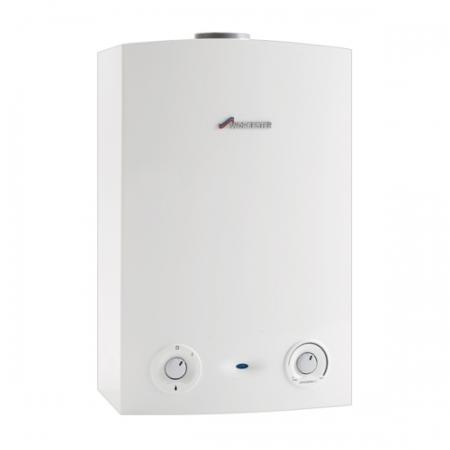
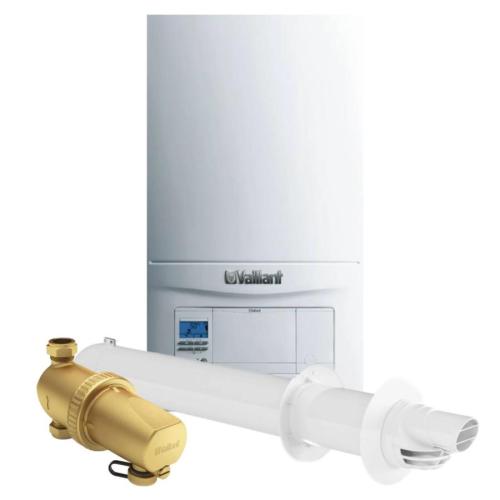
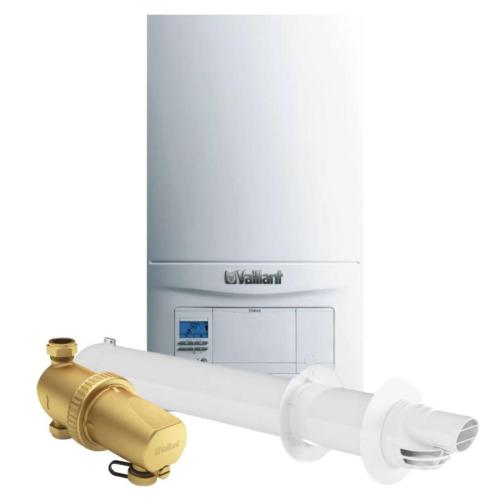
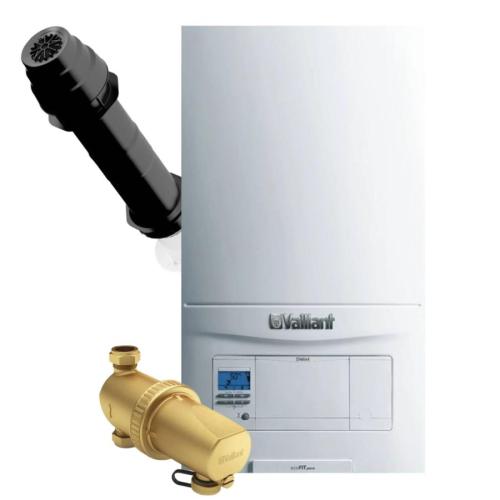
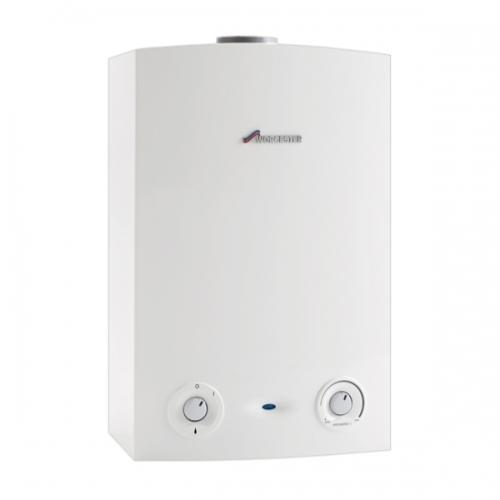
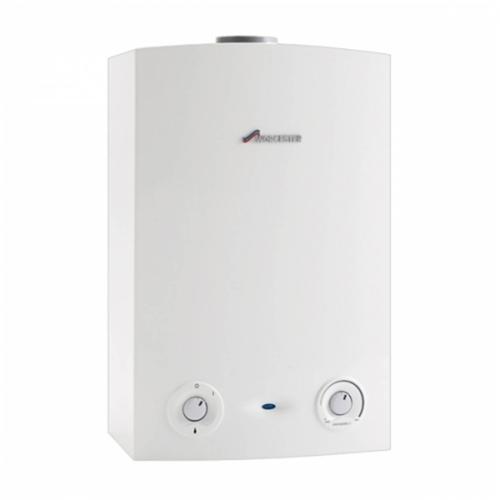
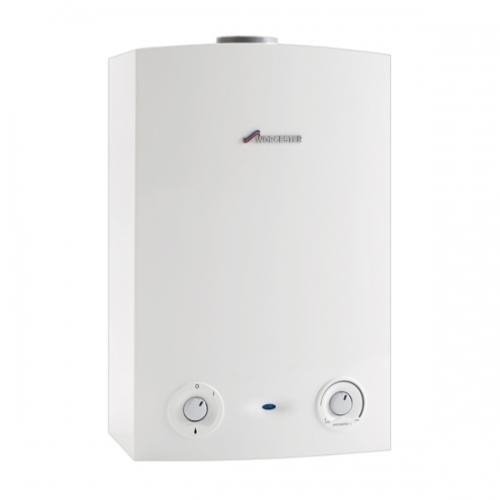
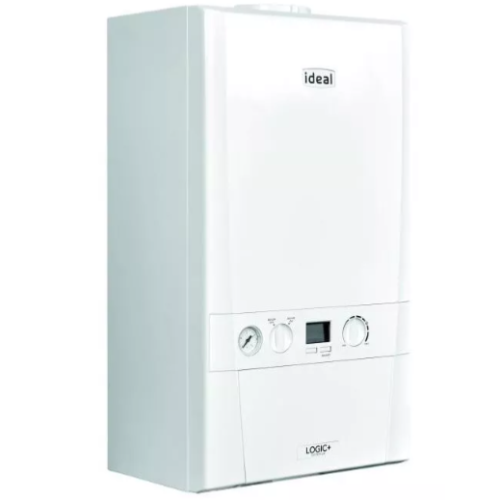
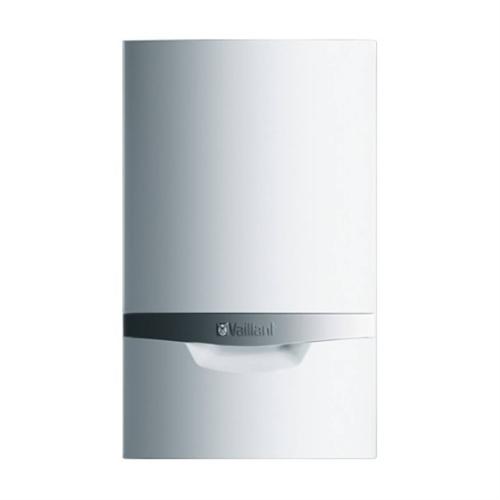
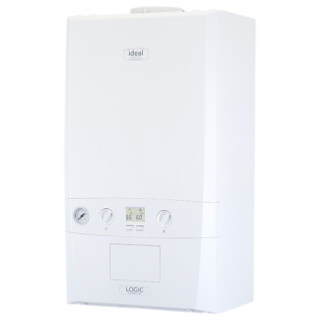
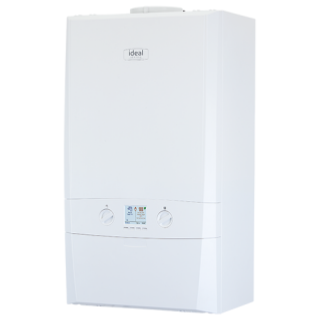
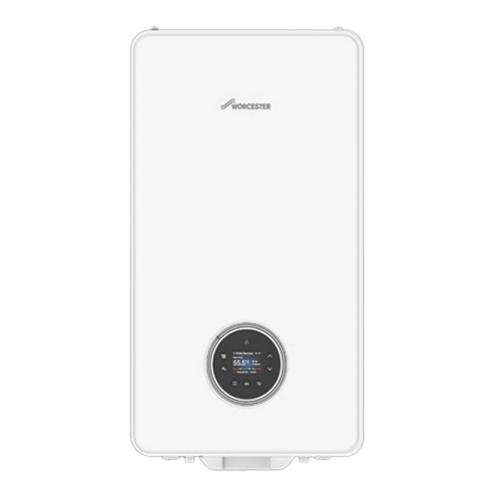
We offer a wide range of Gas boilers from recognised manufacturers. Our range includes Regular, System and Combi boilers and you can find different sizes to suit all your need.



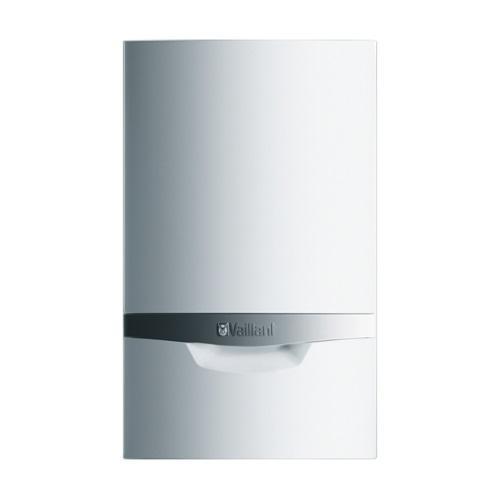
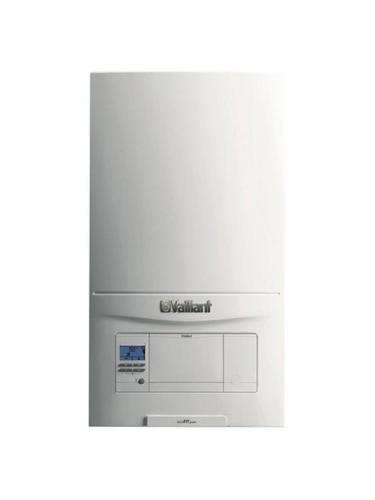
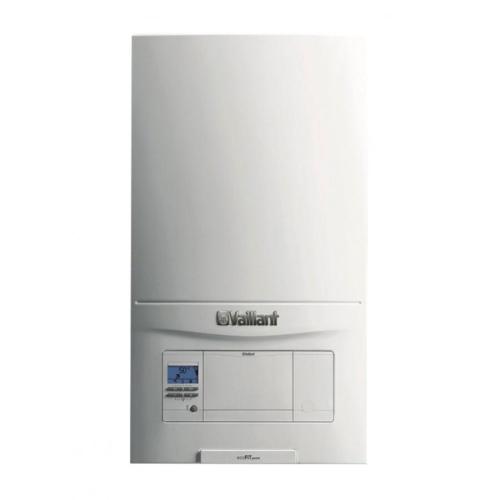
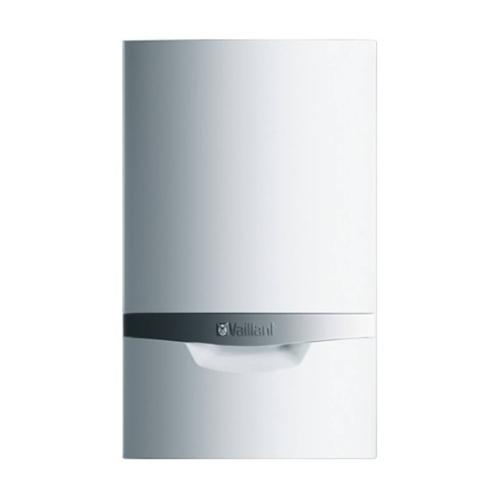
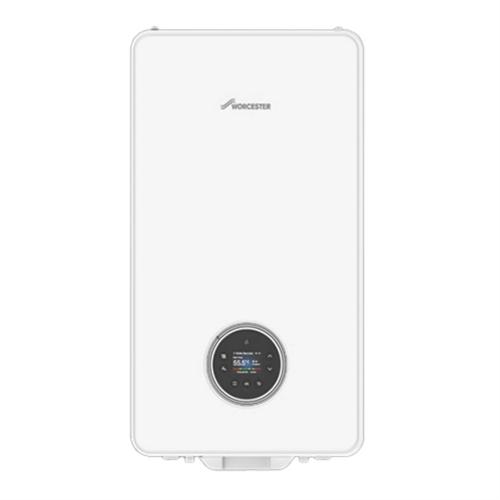
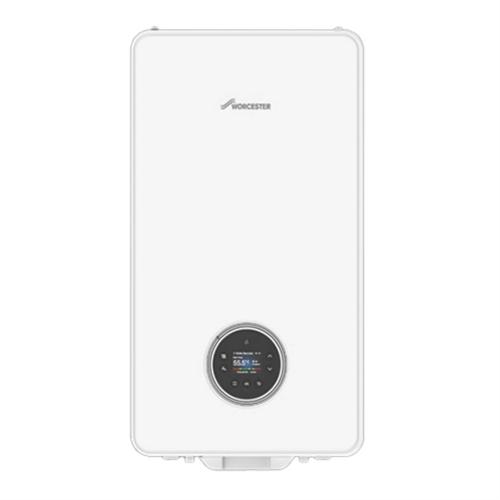
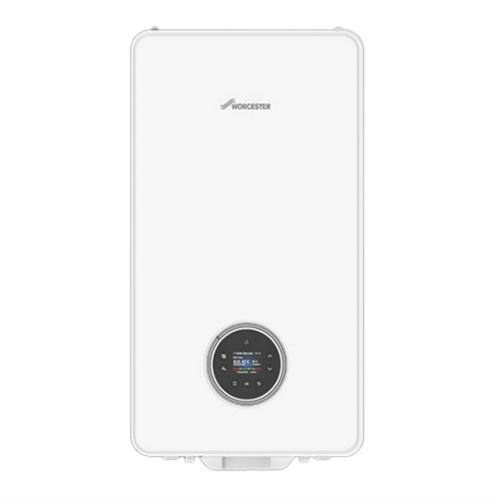
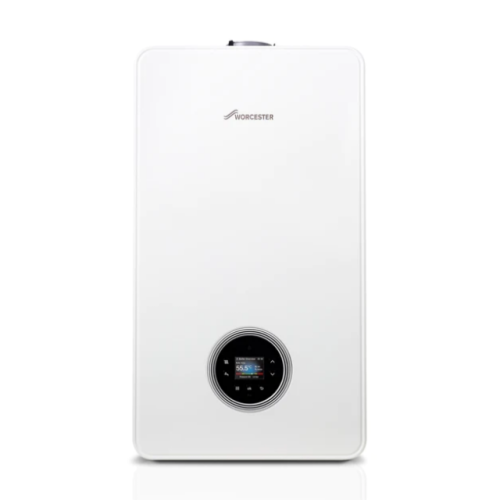
About Gas Boilers
Types of Boilers Explained
Combination Boilers
Great performance, great savings
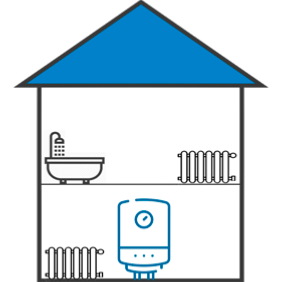
Combination boilers deliver both central heating and instantaneous hot water without the need for a hot water cylinder. Modern combi boilers can now meet the demands of more than one bathroom.
Best used for:
- Better suited for homes with one bathroom
- Hot water is generated only when required (no storage tank needed)
- Compact size, ideal for smaller homes
System Boilers
For homes that use more hot water
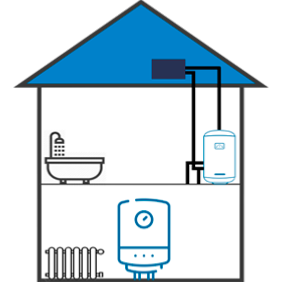
System boilers are traditionally fitted with an unvented hot water cylinder which provides an increased capacity of hot water. The pump and controls are contained within the boiler casing, making it a simple and space-saving solution.
Best used for:
- Better suited for homes with more than one bathroom
- Delivers a constant supply of hot water
- Requires a water cylinder to store hot water
Regular Boilers
A simple and effective straight swap solution
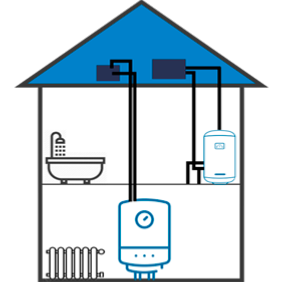
Also known as conventional boilers, these are commonly fitted in many UK homes. Regular boilers offer a straightforward replacement solution and typically require loft space for a feed and expansion tank.
Best used for:
- Better suited for homes with multiple bathrooms
- Ideal for high hot water demand across multiple rooms
- Compatible with solar water and heat pump systems
Plumb2u Gas Boilers Range
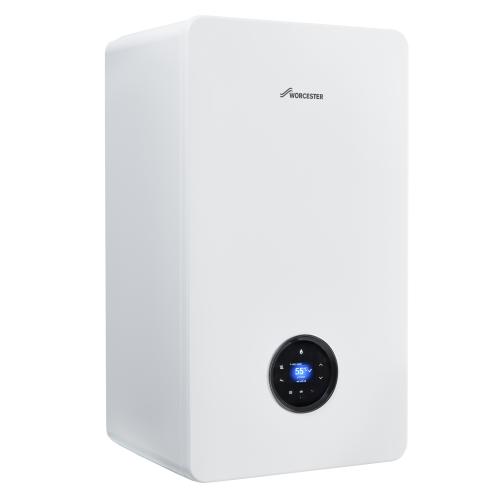
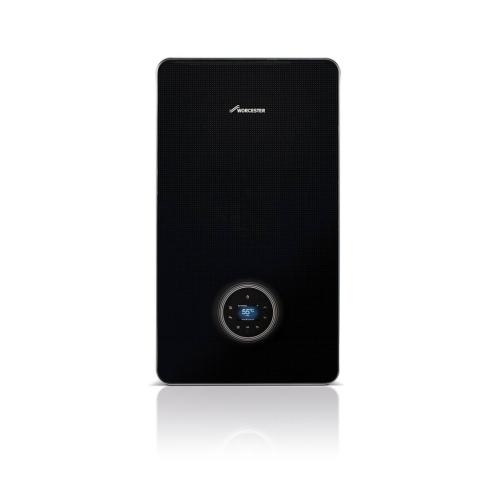
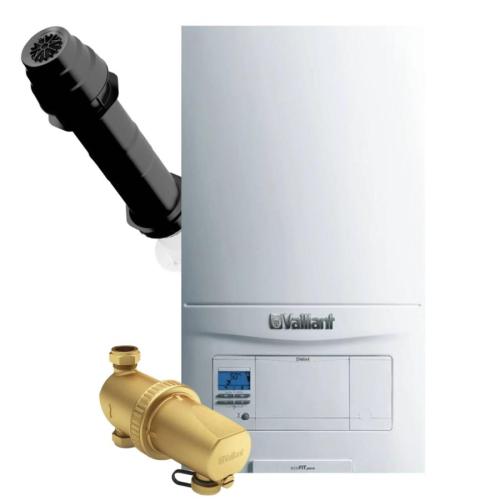
We offer a wide range of gas boilers from recognised manufacturers such as Worcester and Vaillant. Our range includes regular, combi and system boilers, available in different sizes to suit all your needs.
If you are considering a new installation and are unsure which fuel type is best for you, here are some advantages and disadvantages of gas boilers:
Advantages of Gas Boilers
- Lower Running Costs: Gas is typically cheaper than electricity. The average price of gas in the UK is around 4.17p per kW compared to 16.39p per kW for electricity, making gas boilers more cost-effective long-term.
- Ideal for Larger Homes: Gas boilers provide more power, making them suitable for larger homes with multiple bathrooms. They can also be paired with smart thermostats for improved efficiency and control.
- Energy Source: Gas can be a cleaner option compared to electricity generated from fossil fuels, although renewable electricity sources may offer lower emissions.
- Electrical Capacity: Gas boilers reduce the electrical load on your home, leaving more capacity available for other appliances.
Disadvantages of Gas Boilers
- Risk of Gas Leaks: Regular maintenance is required. Boilers must be inspected annually by a Gas Safe registered engineer to ensure safety and maintain warranty validity.
- Less Suitable for Small Homes: Gas boilers require more space and plumbing, making them less ideal for smaller properties such as one-bedroom flats.
- Higher Maintenance Risk: With more moving parts than electric boilers, there is a higher chance of breakdowns and repair costs.
- Installation Costs: Gas boilers require more complex installation, which can increase upfront costs compared to electric boilers.
- Noise Levels: Gas boilers are generally louder than electric boilers, although modern models are quieter than older versions.
To reduce the cost of your heating system, whether electric or gas, we recommend inspecting your system (boiler, radiators and pipes) annually and using maintenance products to keep everything running efficiently.
Visit our heating categories to explore maintenance products such as central heating filters and central heating chemicals.
FAQs
If you have questions about Gas Boilers here you can find some FAQ's.
1. What type of boiler will I need?
Most households across the UK use a combi boiler for heating and hot water due to their high efficiency, affordability and compact size, meaning less storage space is required.
The limitation of combi boilers is that they can become insufficient for larger households with multiple bathrooms and a higher demand for hot water.
In this instance, a system boiler is a better option. A system boiler is accompanied by a hot water cylinder tank, allowing for the storage of hot water. This ensures a constant supply of hot water to accommodate multiple showers and taps within the same household.
A regular boiler is the least common type of boiler. These are typically used in homes with high hot water demand and older, traditional heating systems. They are also suitable for properties located in areas with low water pressure.
Both system and regular boilers require more storage space compared to combi boilers.
Still not sure which option works best for you? Get in touch with the manufacturer to request further details about products.
2. What KW boiler do I need?
KW is the amount of power output for the unit. The power that you will need will vary depending on the property. A good indication of what KW you need is by the number of radiators in your household.
If you live in a small flat or apartment with only a few radiators, a small compact boiler will be ideal for both usage and efficiency. A medium sized boiler will be required for an average house of three to four bedrooms, something between 24-30kw should suffice. A much larger household with plenty of radiators would require a boiler with a significantly bigger output (around 35-42kw) to be able to cope with the demands of the property.
3. What courier do you use to deliver boilers and where do you deliver to?
We deliver in and around London using our own delivery vehicles. Delivery time is usually next working day, however on some rare occasions this may not be physically possible. If a boiler is ordered for delivery outside of London, it will be dispatched directly from the manufacturer to your stated delivery address. Please note that this does rely on stock availability from the manufacturer. If there is a slight delay to your order, we will contact you.
4. Do you offer discounts on bulk buys?
Unfortunately, the price stated on the website is normally the lowest we can offer, however please feel free to get in touch before purchasing as we may be able to offer a slight discount on some occasions.
5. Looking for further advise?
We always recommend contacting the manufacturers technical line directly, who will then be able to assist you with what boiler to choose to fit your exact requirements.