
Electric Water Softeners
Electric water softeners are a practical way to tackle hard water by reducing the minerals that cause limescale buildup in taps, pipes, boilers, and household appliances. Using an ion exchange process with a resin bed and salt, they help soften water throughout the home, which can mean less time cleaning, better efficiency for heating systems and appliances, and softer-feeling water for washing and showering.
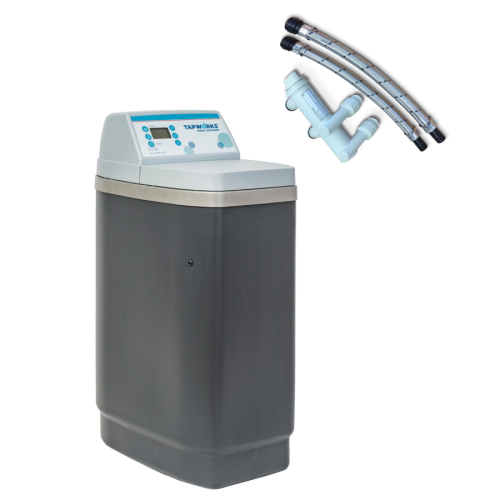

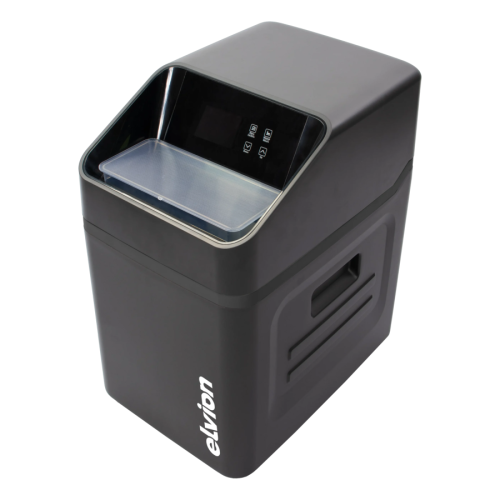

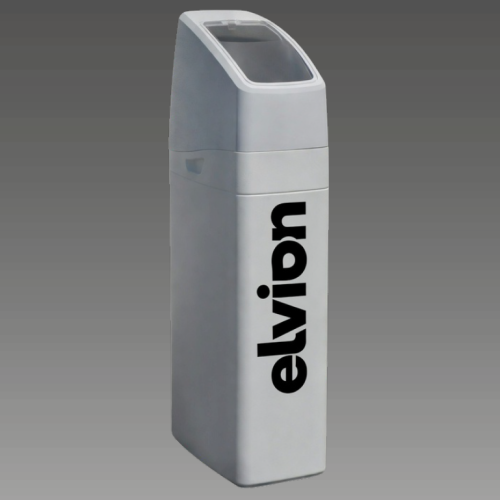
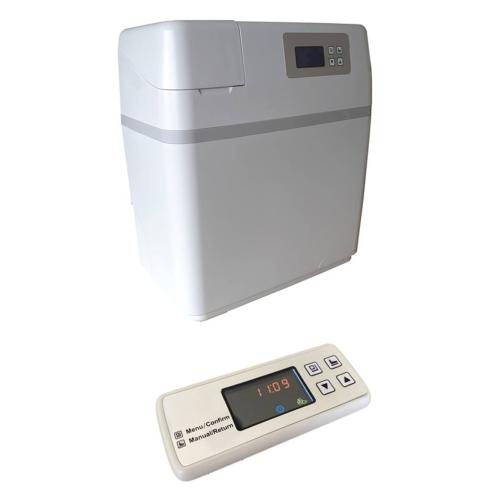

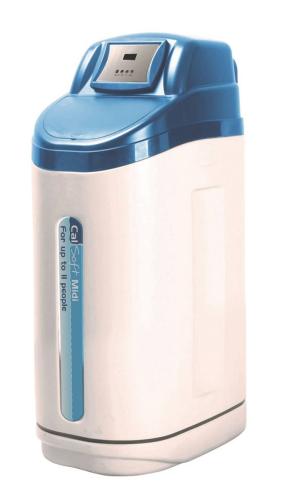
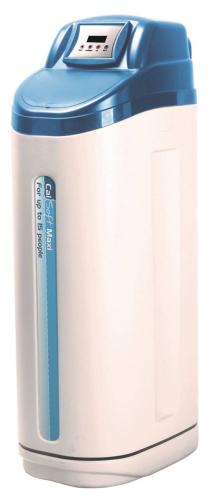
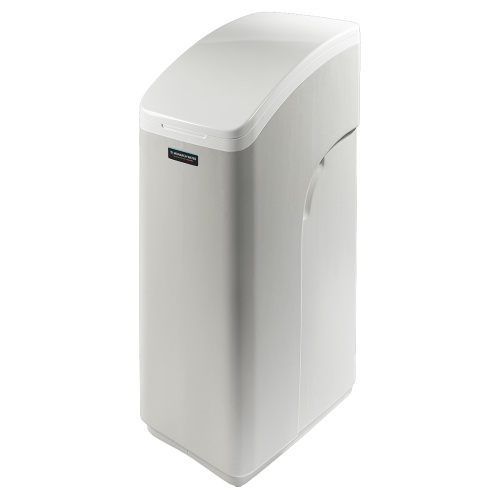
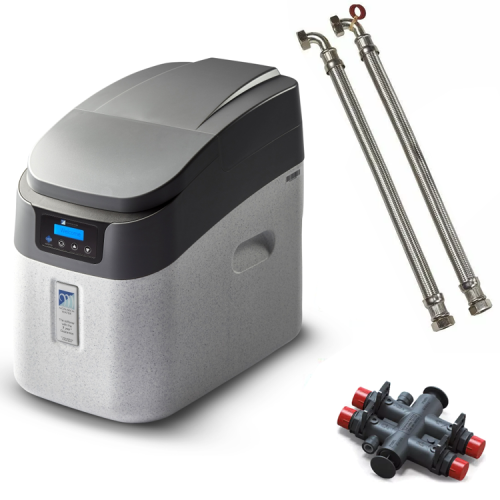
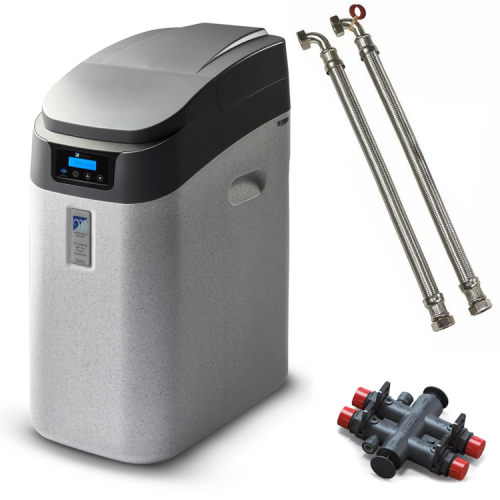
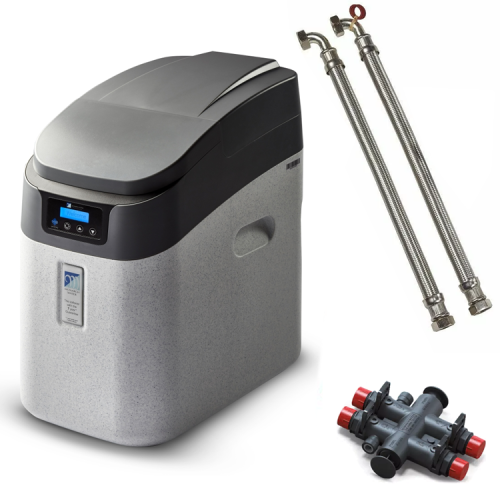
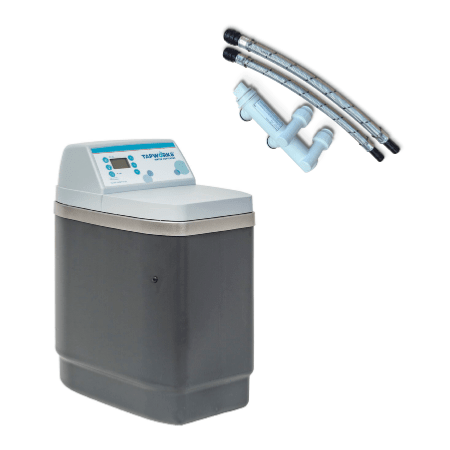
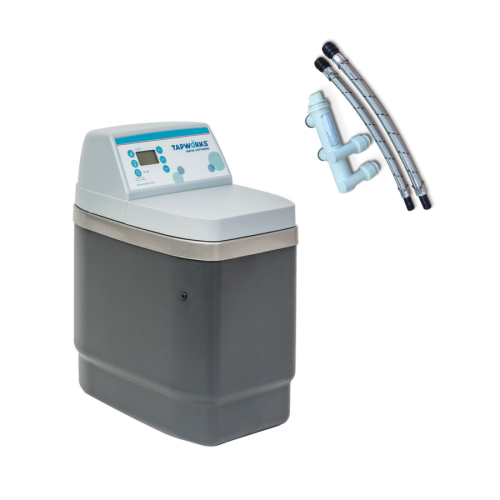
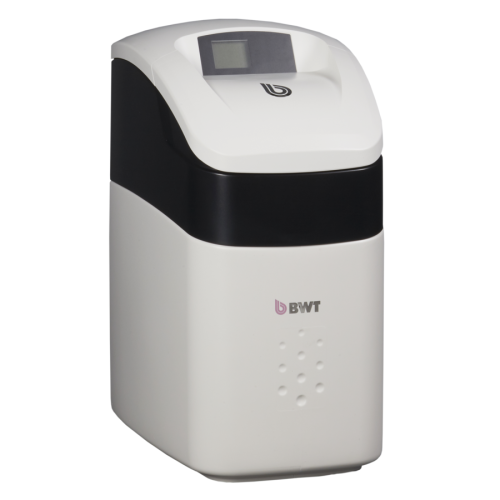

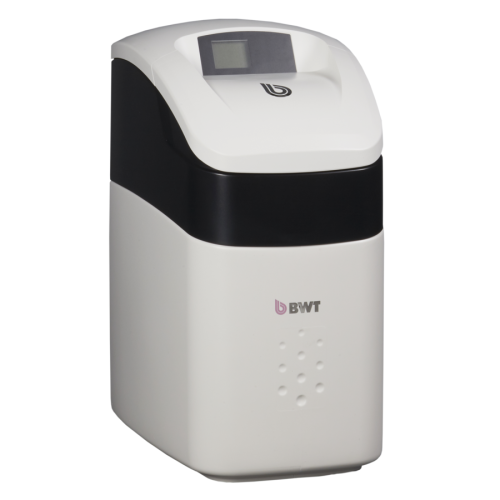
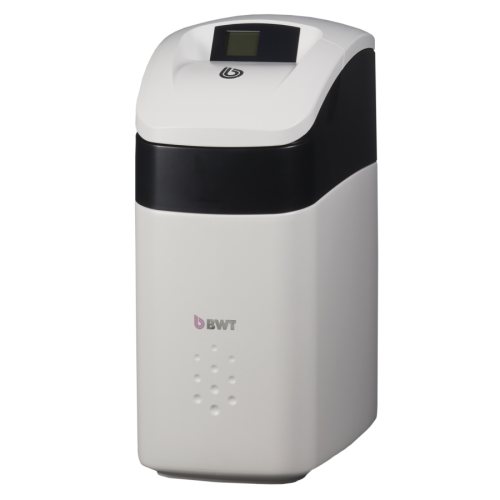
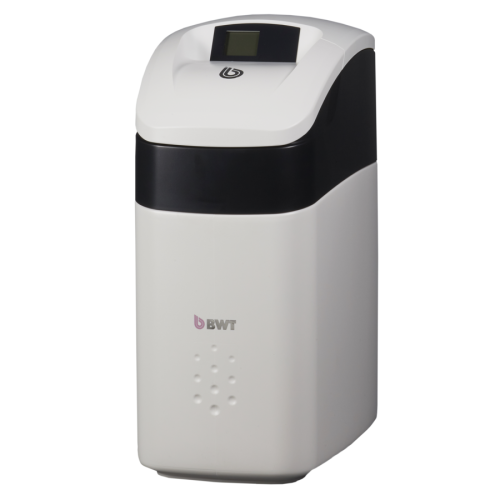
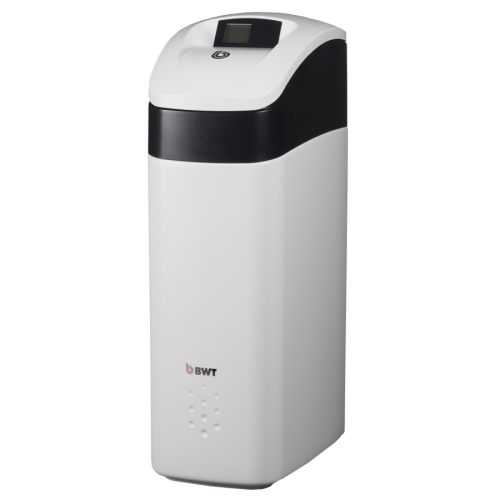
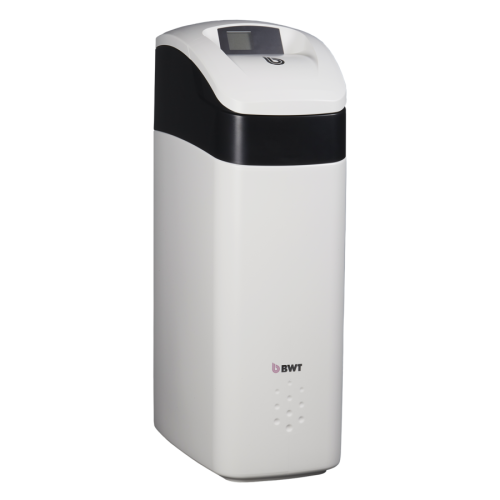

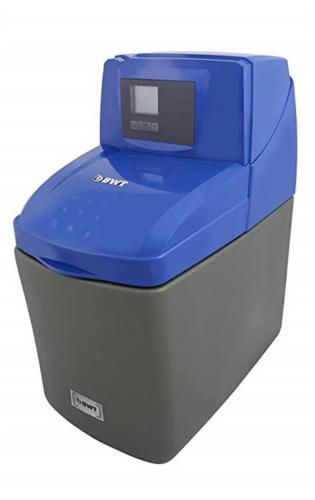
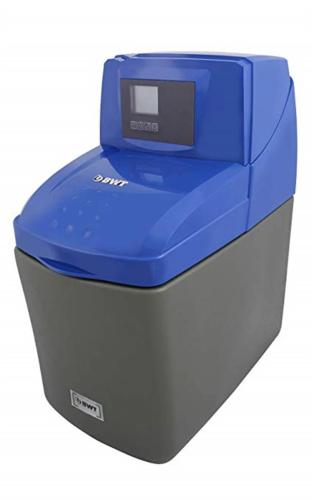
About Electric Water Softeners
What are Water Softeners?
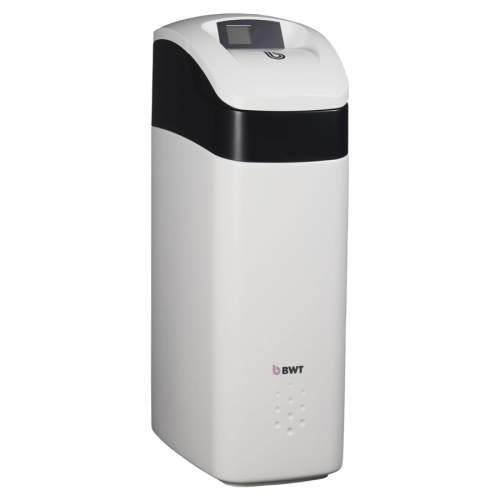
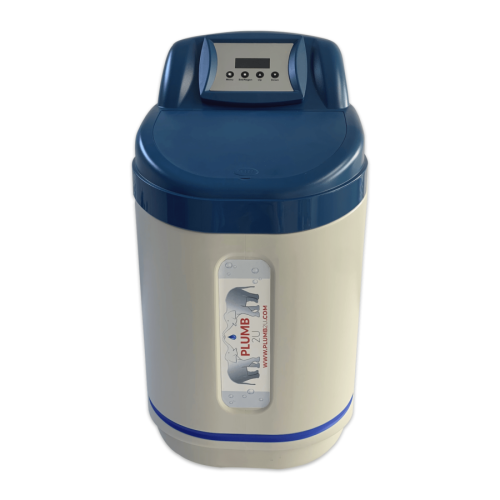
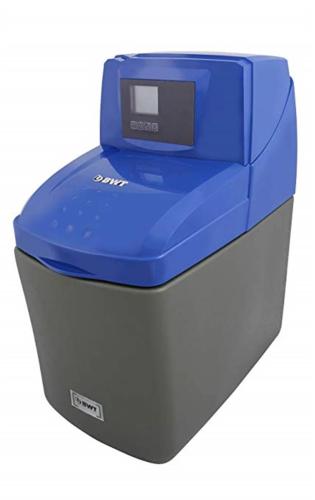
Water softeners are systems designed to reduce the minerals that make water hard, mainly calcium and magnesium. In practical terms, that means less scale on taps, shower heads, heating systems, and appliances, plus softer-feeling water for washing, bathing, and everyday use. Electric models usually work through an ion-exchange process and use an electric timer or control system to manage regeneration automatically, making them a convenient option for homes in a hard water area.
Benefits of Electric Water Softeners
Electric water softeners are a popular choice because they combine convenience with consistent performance. A few benefits include:
- They’re often fully automatic, meaning the system manages regeneration for you and keeps the supply of soft water steady.
- Help reduce limescale in boilers, pipes, shower heads, dishwashers and other appliances, improving efficiency and supporting longer-lasting performance.
- Provide softer-feeling skin and hair, reduce residue in bathrooms and minimise the need for scrubbing away scale.
- Can lead to lower running costs, reduced use of cleaning products and potential savings on maintenance and energy bills.
Browse our guide on the benefits of using water softeners for more details.
Difference Between Electric & Non-Electric Water Softeners
The main difference is how the system controls regeneration.
Electric water softeners use powered controls or an electric timer to manage the process automatically, making them a practical and low-effort option for many homes. Non-electric systems perform the same core function of softening water, but rely on water flow and mechanical operation rather than electricity.
For most buyers, the decision comes down to preference, available space and how much convenience matters. Electric models are often chosen for their straightforward operation and compact, modern design, while non-electric options appeal to those who prefer a system without electrical components.
At Plumb2U, you can browse a wide range of water softeners at competitive prices to find a unit that suits your water supply, household size and installation needs. You can also explore our collections of Water Softener Salt and accessories to ensure you have everything required for optimal performance.
FAQs
1. Are electric water softeners suitable for homes in a hard water area?
Yes. They’re specifically designed to deal with hard water problems by reducing the minerals that cause scale build-up. They’re especially useful in homes where limescale affects bathrooms , heating systems, and kitchen appliances.
2. Do electric water softeners help reduce energy bills?
They can help indirectly by reducing scale in boilers and heating systems, which allows them to work more efficiently. Over time, that may support lower energy costs and less strain on appliances.
3. Do I need a plumber to install an electric water softener?
In many cases, yes. Professional installation is the safest route, especially if the unit needs connecting into the main water supply. It also helps make sure the system, flow rate, and any installation kits are matched properly to your home.
4. Will an electric water softener affect water flow or everyday use?
A correctly sized and properly installed unit should maintain a good flow rate for normal household use. The key is choosing a system that suits how much water your home uses, especially if you have multiple bathrooms.
5. Are water conditioners an alternative to water softeners?
Yes, they can be. A water conditioner is often chosen by households that want to reduce limescale without installing a full softening system, but it works differently because it doesn’t remove hardness minerals in the same way a water softener does. If you’re comparing both options, it’s worth looking at conditioners to see which type of treatment best suits your home and water usage.