

Picture this: you step into your bathroom, and instead of being greeted by a pristine ambiance, your eyes lock onto grimy, stained tiles. We've all been there, grappling with the challenge of keeping bathroom tiles in their sparkling best. In this comprehensive guide, we will take you on a journey to help you tackle the task of bathroom tile cleaning, providing you with valuable insights, practical tips, and a roadmap for achieving immaculate tiles that not only enhance aesthetics but also contribute to a hygienic environment.
The Bathroom Tile Conundrum
We have all been there, haven’t we? It's a weekend, and you're determined to give your bathroom a facelift and a deep clean. The excitement fades as you confront the stubborn stains on your bathroom tiles, seemingly impervious to your cleaning efforts. The frustration mounts, and you find yourself questioning whether achieving spotless bathroom tiles is an elusive dream.
Importance of Clean Bathroom Tiles
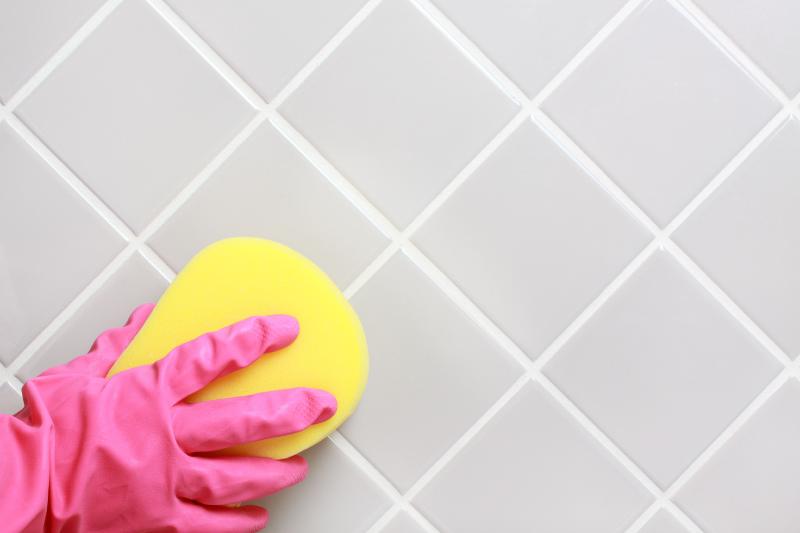
Before we give away the secrets to pristine, clean wall tiles, let's understand why it matters. Clean bathroom tiles are not just about the good looks because they play a pivotal role in maintaining a hygienic space. The bathroom, being a sanctuary for self-care, should exude freshness and cleanliness. Dirty tiles not only compromise the visual appeal but also harbour germs and mould, posing potential health risks.
Types of Bathroom Tiles
Understanding that not all tiles are created equal is the first step toward effective cleaning. Different materials demand specific cleaning approaches. Let's explore the common types:
- Ceramic Tiles: Renowned for their durability and versatility, ceramic tiles are a common sight in bathrooms. Their robust nature makes them resistant to wear and tear, but effective cleaning involves a smart approach. To preserve the sheen of ceramic tiles, opt for mild, pH-neutral cleaners that eliminate grime without compromising the integrity of the glaze. Vigilant maintenance ensures these tiles maintain their aesthetic appeal, making ceramic an enduring choice for bathroom surfaces.
- Porcelain Tiles: Porcelain tiles, with their sleek and elegant finish, enhance the visual appeal of bathrooms. However, their sensitivity to scratches necessitates a gentle cleaning approach. When tackling porcelain tiles, choose mild detergents and soft-bristled brushes to maintain the glossy surface. This ensures that the tiles not only retain their sophisticated appearance but also withstand the test of time, enhancing the overall ambience of your bathroom.
- Natural Stone Tiles: From the timeless beauty of travertine to the opulence of marble, natural stone tiles exude sophistication. However, their susceptibility to damage from acidic cleaners calls for careful attention. Cleaning natural stone tiles requires the use of pH-neutral cleaners specifically formulated for these materials. Caution in product selection ensures the preservation of the stone's natural appearance, allowing you to benefit from the stunning looks that come with natural stone in a bathroom.
Gathering Cleaning Supplies
To begin the process of cleaning your bathroom tiles, assembling the right cleaning supplies is crucial. The market is inundated with cleaning products, but not all are the same. Opting for trusted brands ensures effectiveness without compromising the integrity of your tiles.
Essential Cleaning Supplies:
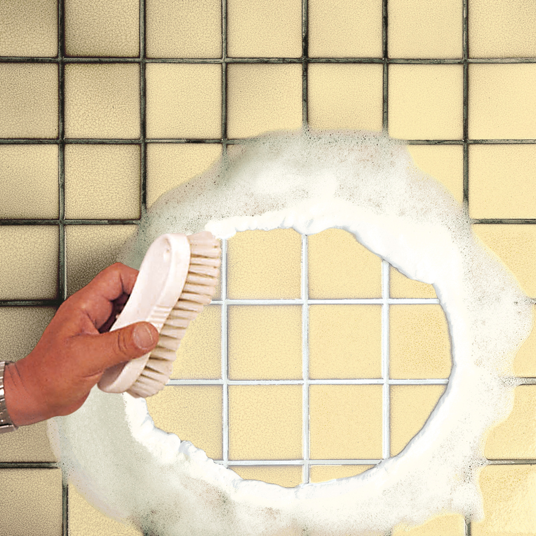
- Tile and Grout Cleaner: Investing in a reputable tile and grout cleaner tailored to your specific tile type is the best place to begin. The efficacy of the tile cleaner used should extend beyond surface grime, effectively tackling stains, mould, and soap scum. Ensuring compatibility with your tile material guarantees optimal results without causing unintended damage.
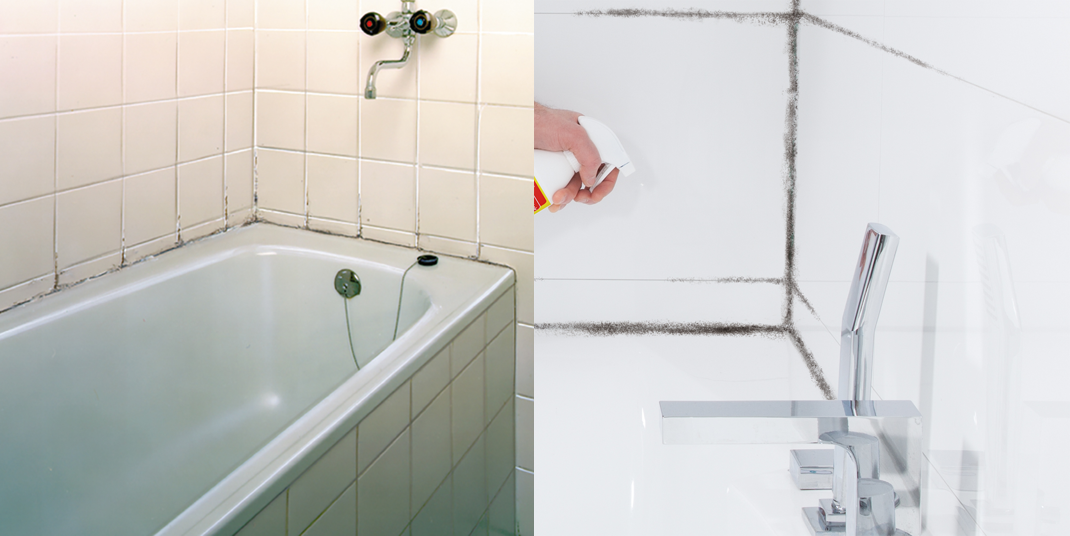
- Mould Remover: Black mould not only tarnishes the appearance and freshness of your living spaces but also poses health risks. At Plumb2u, we range products that provide reliable remedies to easily and hygienically address black mould, whether it's on adhesive edges, tile grouting, plasterwork, or shower cabins.
- Soft-Bristled Brush: A soft-bristled brush is more important than you might think, especially when dealing with delicate tiles like porcelain. The soft bristles effectively dislodge dirt and grime without scratching the tile surface, preserving its aesthetic appeal.
- Microfiber Cloth: Following a good clean, a non-abrasive microfiber enables you to add the finishing touches, ensuring a streak-free finish on your tiles. This microfibre cloth, with its fine fibres, captures residual particles, leaving your tiles gleaming.
- Rubber Gloves and Goggles: Prioritising safety during tile-cleaning is especially important. Protecting yourself with durable rubber gloves and protective goggles safeguards your skin and eyes from potential exposure to cleaning agents.
- Ventilation: As you delve into the cleaning process, the significance of good ventilation cannot be overlooked, especially when dealing with products emitting strong fumes. Opening windows and doors facilitates a well-ventilated space, dissipating any potentially harmful vapours.
Cleaning Different Types of Bathroom Tiles
Ceramic Tiles Cleaning Method
- Gentle Cleaners - Preserving Brilliance: When it comes to cleaning ceramic tiles, the choice of cleaner plays a pivotal role in maintaining their appearance. Opt for a mild, pH-neutral cleaner explicitly designed for ceramic tiles. Harsh abrasives can pose a threat to the glaze, potentially compromising the tiles' aesthetic appeal.
- Stubborn Stain Removal - A Delicate Approach: Encountering stubborn stains or grout buildup on ceramic floor tiles often calls for a gentle yet effective solution. Create a paste using baking soda and water, forming a natural and non-abrasive concoction. Apply this paste to the affected areas, employing a soft brush for gentle scrubbing. After this meticulous process, rinse the tiles thoroughly.
- Regular Maintenance - A Simple Ritual: The key to extending the lifespan and sheen of ceramic tiles lies in regular maintenance. Wiping down ceramic tiles at regular intervals is something that you should consider to prevent the accumulation of soap scum and mould.
Porcelain Tiles Cleaning Method
- Mild Detergents: Preserving the elegance of porcelain tiles demands a careful cleaning strategy to safeguard their sleek and glossy finish. Opt for mild detergents or specialised porcelain cleaners, steering clear of abrasive alternatives that could potentially scratch the surface.
- Soft Brushes for Gentle Cleaning: Porcelain tiles, susceptible to scratches, require a gentle touch during the cleaning process. Choose soft-bristled brushes to effectively clean floor tiles without compromising the glossy finish that defines porcelain tiles.
- Restoring Shine - A Touch of Baby Oil: To revive the shine of porcelain tiles, consider a simple yet effective solution: a mixture of water and a few drops of baby oil. Applying this solution and gently wiping the tiles with a dry cloth creates a beautiful finish, breathing new life into the porcelain surface.
Natural Stone Cleaning Method
- pH-Neutral Cleaners - Preserving the Essence: Nurturing the natural beauty of natural stone tiles requires a specialised approach. Opt for a pH-neutral cleaner explicitly designed for natural stones. These tiles are delicate and that makes them susceptible to damage from acidic or abrasive cleaners.
- Sealing Process - Shielding Against Wear: Using a sealer is an essential part of caring for your tiles and it is a step worth taking. This protective layer acts as a barrier, preventing stains and water damage that could compromise the longevity of your tiles.
- Caution with Stains - Swift Action: Addressing stains promptly is crucial in maintaining the pristine appearance of natural stone tiles. Wipe away spills without delay, using a clean, damp cloth and a mild, pH-neutral cleaner designed for natural stone. If stains are allowed to stand, they will soon become ingrained into the stone.
Restoring Grout
While tiles steal the spotlight, grout plays a crucial role in maintaining the integrity of your bathroom. Neglected grout can harbour mould and compromise the overall cleanliness. Here's how to restore it to its former glory:
Cleaning Grout Lines
For everyday sponge cleaning, use a mixture of equal parts baking soda and water. Apply the paste to grout lines, scrub with a toothbrush, and rinse. For tougher stains, invest in specialised grout cleaners. Follow the manufacturer's instructions for optimal results.
Recolouring or Sealing Grout
Consider recolouring grout to refresh its appearance. Grout colourants are available in various shades to match your tiles. Seal the grout lines after cleaning. This adds a protective layer, preventing future staining and simplifying future cleaning jobs.
Protecting and Maintaining Bathroom Tiles
It is not just cleaning that leads to clean bathroom tiles. It requires an ongoing approach that ensures you take care of your tiles regularly. This will help to protect and prolong the life of your tiles.
- Sealant Application - Preserving Integrity: Regularly sealing your bathroom tiles becomes a key element when protecting them from stains and water damage. Following the manufacturer's guidelines on the type of sealant suitable for your specific tiles ensures optimal protection.
- Cautious Cleaning Products - Compatibility is Key: The selection of cleaning products plays a pivotal role in maintaining the integrity of your tiles. Choose products that are compatible with your specific tile type. For instance, while acidic cleaners can harm natural stone, abrasive cleaners may pose a threat to porcelain.
- Preventing Damage - Proactive Measures: Preventing damage to your tiles involves a proactive approach. Avoid using sharp objects that could scratch the surface, preserving the tiles' smooth appearance. Exercise caution with chemical spills, which have the potential to damage the tile.
- Humidity Control - Managing Environmental Factors: Maintaining optimal humidity levels in your bathroom and shower is a crucial aspect of tile care. Many bathrooms are fitted with extractor fans and if they are not, then opening a window slightly can work in the same way. The aim is to prevent the collection of moisture after bathing or showering as this can lead to mould.
Conclusion
We all want our bathrooms to look their best, and so, when you are armed with the right knowledge and tools, you can transform your bathroom floor tiles, and ensure that you create the bathroom you want. This will turn it into a space you can enjoy and a space that is clean and hygienic. So, take your time, follow our guide and watch as your bathroom transforms before your eyes!
Picture this: you step into your bathroom, and instead of being greeted by a pristine ambiance, your eyes lock onto grimy, stained tiles. We've all been there, grappling with the challenge of keeping bathroom tiles in their sparkling best. In this comprehensive guide, we will take you on a journey to help you tackle the task of bathroom tile cleaning, providing you with valuable insights, practical tips, and a roadmap for achieving immaculate tiles that not only enhance aesthetics but also contribute to a hygienic environment.
The Bathroom Tile Conundrum
We have all been there, haven’t we? It's a weekend, and you're determined to give your bathroom a facelift and a deep clean. The excitement fades as you confront the stubborn stains on your bathroom tiles, seemingly impervious to your cleaning efforts. The frustration mounts, and you find yourself questioning whether achieving spotless bathroom tiles is an elusive dream.
Importance of Clean Bathroom Tiles
Before we give away the secrets to pristine, clean wall tiles, let's understand why it matters. Clean bathroom tiles are not just about the good looks because they play a pivotal role in maintaining a hygienic space. The bathroom, being a sanctuary for self-care, should exude freshness and cleanliness. Dirty tiles not only compromise the visual appeal but also harbour germs and mould, posing potential health risks.
Types of Bathroom Tiles
Understanding that not all tiles are created equal is the first step toward effective cleaning. Different materials demand specific cleaning approaches. Let's explore the common types:
- Ceramic Tiles: Renowned for their durability and versatility, ceramic tiles are a common sight in bathrooms. Their robust nature makes them resistant to wear and tear, but effective cleaning involves a smart approach. To preserve the sheen of ceramic tiles, opt for mild, pH-neutral cleaners that eliminate grime without compromising the integrity of the glaze. Vigilant maintenance ensures these tiles maintain their aesthetic appeal, making ceramic an enduring choice for bathroom surfaces.
- Porcelain Tiles: Porcelain tiles, with their sleek and elegant finish, enhance the visual appeal of bathrooms. However, their sensitivity to scratches necessitates a gentle cleaning approach. When tackling porcelain tiles, choose mild detergents and soft-bristled brushes to maintain the glossy surface. This ensures that the tiles not only retain their sophisticated appearance but also withstand the test of time, enhancing the overall ambience of your bathroom.
- Natural Stone Tiles: From the timeless beauty of travertine to the opulence of marble, natural stone tiles exude sophistication. However, their susceptibility to damage from acidic cleaners calls for careful attention. Cleaning natural stone tiles requires the use of pH-neutral cleaners specifically formulated for these materials. Caution in product selection ensures the preservation of the stone's natural appearance, allowing you to benefit from the stunning looks that come with natural stone in a bathroom.
Gathering Cleaning Supplies
To begin the process of cleaning your bathroom tiles, assembling the right cleaning supplies is crucial. The market is inundated with cleaning products, but not all are the same. Opting for trusted brands ensures effectiveness without compromising the integrity of your tiles.
Essential Cleaning Supplies:
- Tile and Grout Cleaner: Investing in a reputable tile and grout cleaner tailored to your specific tile type is the best place to begin. The efficacy of the tile cleaner used should extend beyond surface grime, effectively tackling stains, mould, and soap scum. Ensuring compatibility with your tile material guarantees optimal results without causing unintended damage.
- Mould Remover: Black mould not only tarnishes the appearance and freshness of your living spaces but also poses health risks. At Plumb2u, we range products that provide reliable remedies to easily and hygienically address black mould, whether it's on adhesive edges, tile grouting, plasterwork, or shower cabins.
- Soft-Bristled Brush: A soft-bristled brush is more important than you might think, especially when dealing with delicate tiles like porcelain. The soft bristles effectively dislodge dirt and grime without scratching the tile surface, preserving its aesthetic appeal.
- Microfiber Cloth: Following a good clean, a non-abrasive microfiber enables you to add the finishing touches, ensuring a streak-free finish on your tiles. This microfibre cloth, with its fine fibres, captures residual particles, leaving your tiles gleaming.
- Rubber Gloves and Goggles: Prioritising safety during tile-cleaning is especially important. Protecting yourself with durable rubber gloves and protective goggles safeguards your skin and eyes from potential exposure to cleaning agents.
- Ventilation: As you delve into the cleaning process, the significance of good ventilation cannot be overlooked, especially when dealing with products emitting strong fumes. Opening windows and doors facilitates a well-ventilated space, dissipating any potentially harmful vapours.
Cleaning Different Types of Bathroom Tiles
Ceramic Tiles Cleaning Method
- Gentle Cleaners - Preserving Brilliance: When it comes to cleaning ceramic tiles, the choice of cleaner plays a pivotal role in maintaining their appearance. Opt for a mild, pH-neutral cleaner explicitly designed for ceramic tiles. Harsh abrasives can pose a threat to the glaze, potentially compromising the tiles' aesthetic appeal.
- Stubborn Stain Removal - A Delicate Approach: Encountering stubborn stains or grout buildup on ceramic floor tiles often calls for a gentle yet effective solution. Create a paste using baking soda and water, forming a natural and non-abrasive concoction. Apply this paste to the affected areas, employing a soft brush for gentle scrubbing. After this meticulous process, rinse the tiles thoroughly.
- Regular Maintenance - A Simple Ritual: The key to extending the lifespan and sheen of ceramic tiles lies in regular maintenance. Wiping down ceramic tiles at regular intervals is something that you should consider to prevent the accumulation of soap scum and mould.
Porcelain Tiles Cleaning Method
- Mild Detergents: Preserving the elegance of porcelain tiles demands a careful cleaning strategy to safeguard their sleek and glossy finish. Opt for mild detergents or specialised porcelain cleaners, steering clear of abrasive alternatives that could potentially scratch the surface.
- Soft Brushes for Gentle Cleaning: Porcelain tiles, susceptible to scratches, require a gentle touch during the cleaning process. Choose soft-bristled brushes to effectively clean floor tiles without compromising the glossy finish that defines porcelain tiles.
- Restoring Shine - A Touch of Baby Oil: To revive the shine of porcelain tiles, consider a simple yet effective solution: a mixture of water and a few drops of baby oil. Applying this solution and gently wiping the tiles with a dry cloth creates a beautiful finish, breathing new life into the porcelain surface.
Natural Stone Cleaning Method
- pH-Neutral Cleaners - Preserving the Essence: Nurturing the natural beauty of natural stone tiles requires a specialised approach. Opt for a pH-neutral cleaner explicitly designed for natural stones. These tiles are delicate and that makes them susceptible to damage from acidic or abrasive cleaners.
- Sealing Process - Shielding Against Wear: Using a sealer is an essential part of caring for your tiles and it is a step worth taking. This protective layer acts as a barrier, preventing stains and water damage that could compromise the longevity of your tiles.
- Caution with Stains - Swift Action: Addressing stains promptly is crucial in maintaining the pristine appearance of natural stone tiles. Wipe away spills without delay, using a clean, damp cloth and a mild, pH-neutral cleaner designed for natural stone. If stains are allowed to stand, they will soon become ingrained into the stone.
Restoring Grout
While tiles steal the spotlight, grout plays a crucial role in maintaining the integrity of your bathroom. Neglected grout can harbour mould and compromise the overall cleanliness. Here's how to restore it to its former glory:
Cleaning Grout Lines
For everyday sponge cleaning, use a mixture of equal parts baking soda and water. Apply the paste to grout lines, scrub with a toothbrush, and rinse. For tougher stains, invest in specialised grout cleaners. Follow the manufacturer's instructions for optimal results.
Recolouring or Sealing Grout
Consider recolouring grout to refresh its appearance. Grout colourants are available in various shades to match your tiles. Seal the grout lines after cleaning. This adds a protective layer, preventing future staining and simplifying future cleaning jobs.
Protecting and Maintaining Bathroom Tiles
It is not just cleaning that leads to clean bathroom tiles. It requires an ongoing approach that ensures you take care of your tiles regularly. This will help to protect and prolong the life of your tiles.
- Sealant Application - Preserving Integrity: Regularly sealing your bathroom tiles becomes a key element when protecting them from stains and water damage. Following the manufacturer's guidelines on the type of sealant suitable for your specific tiles ensures optimal protection.
- Cautious Cleaning Products - Compatibility is Key: The selection of cleaning products plays a pivotal role in maintaining the integrity of your tiles. Choose products that are compatible with your specific tile type. For instance, while acidic cleaners can harm natural stone, abrasive cleaners may pose a threat to porcelain.
- Preventing Damage - Proactive Measures: Preventing damage to your tiles involves a proactive approach. Avoid using sharp objects that could scratch the surface, preserving the tiles' smooth appearance. Exercise caution with chemical spills, which have the potential to damage the tile.
- Humidity Control - Managing Environmental Factors: Maintaining optimal humidity levels in your bathroom and shower is a crucial aspect of tile care. Many bathrooms are fitted with extractor fans and if they are not, then opening a window slightly can work in the same way. The aim is to prevent the collection of moisture after bathing or showering as this can lead to mould.
Conclusion
We all want our bathrooms to look their best, and so, when you are armed with the right knowledge and tools, you can transform your bathroom floor tiles, and ensure that you create the bathroom you want. This will turn it into a space you can enjoy and a space that is clean and hygienic. So, take your time, follow our guide and watch as your bathroom transforms before your eyes!