
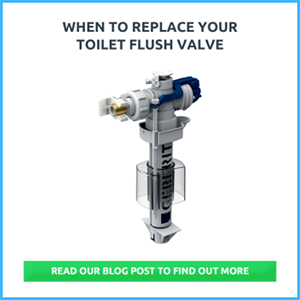
Understanding how a toilet fill valve works is a key component to maintaining your bathroom's plumbing. Essentially, this valve is responsible for managing the water level within the toilet tank after you flush.
Once the toilet is flushed and the water is emptied from the tank, the fill valve's job begins. The mechanism detects the drop in water level and triggers the water supply line to refill the tank. As the tank refills, the valve ensures the tank receives enough water to enable a proper flush but not so much that it causes an overflow or excessive water usage. A toilet's fill valve is crucial in conserving water and preventing leaks. Knowing how to adjust and maintain this mechanism can save you from the annoyances and expenses of common toilet problems, such as continuous running or inadequate flushing.
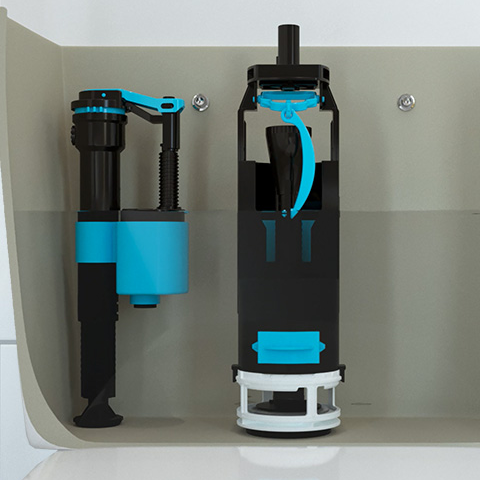
Fundamental Mechanics of Toilet Fill Valves
The efficient operation of your toilet relies on the seamless function of the fill valve, which controls water flow and ensures the tank maintains the correct level.
Understanding Water Flow and Tank Filling
When toilets are flushed, the water level in the tank drops and the fill valve activates, beginning the refilling process. The fill valve, connected to the water supply line, allows water to enter the tank. This flow of water is essential for the toilet to be ready for the next flush.
As the tank empties, a float device inside the tank descends, prompting the fill valve to open. This results in water being drawn into the tank. Modern fill valves often use a float cup or a floating ball attached to an arm, but the core functionality remains to replace the water that has been flushed from the tank into the bowl and subsequently into the waste line.
The Role of the Float in Regulating Water Level
The float's primary duty is to monitor and adjust the water level in the tank during refilling. As water rises, so does the float. When the float reaches a pre-set height, it signals the fill valve to close, stopping the water flow.
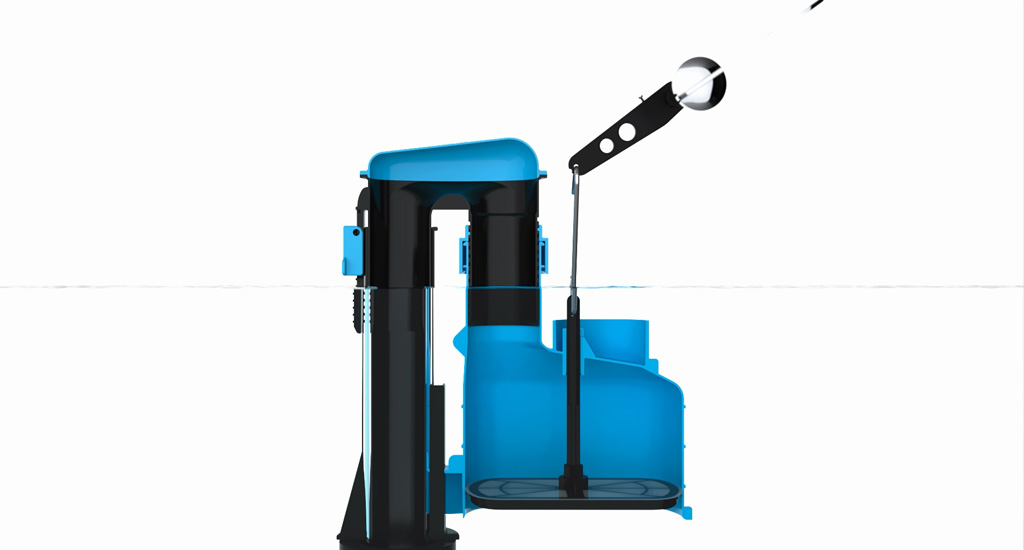
Float-driven mechanisms include:
- Float Balls: A ball attached to a horizontal rod, which lifts and shuts off the valve.
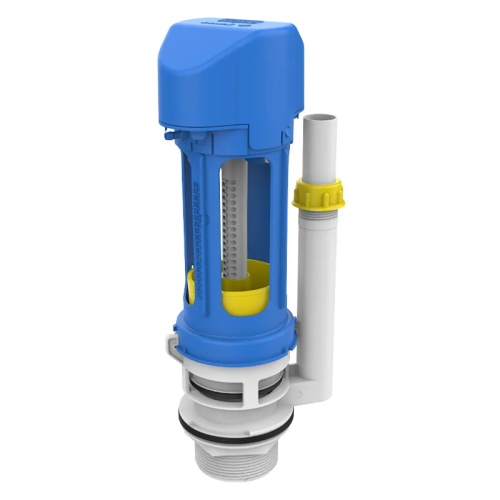
- Float Cups: A cylindrical cup that moves up and down the valve body itself, commonly seen in modern toilets.
The position of the float is adjustable, which allows you to fine-tune the amount of water in the tank after each refill. Adjustments can be made typically with a screw, by bending the arm for float balls or by sliding the float cup up or down the fill valve shaft. Ensuring the float is set correctly prevents both overfill and underfill scenarios, where the former can lead to water waste and the latter to insufficient flushing power. You can gauge this by removing the tank lid. If water is draining at the overflow tube, try to set the float lower. By maintaining a properly adjusted float, you can ensure that just enough water enters the toilet tank. This helps to restore the right level for an effective flush while preventing excess water from spilling through the overflow pipe.
Types of Toilet Fill Valves
When your toilet cistern requires refilling after a flush, it's the toilet fill valve that ensures the correct amount of water flows into the tank. Different types of fill valves have distinct mechanisms and features, including the following:
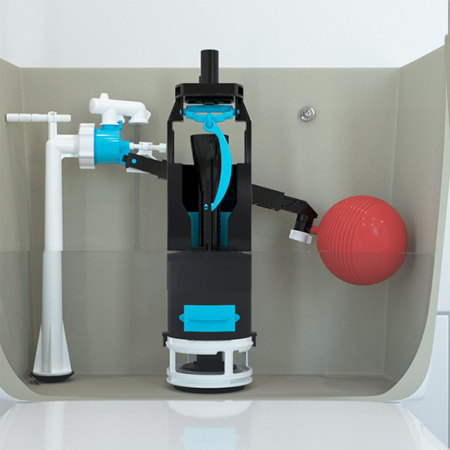
- Traditional Ballcock Valves: The original ballcock valve, which is also known as a float valve, uses a floating ball attached to a horizontal rod. As the water level in the cistern drops, the ball lowers, opening the valve and allowing water to flow in. When the water rises to the set level, the ball floats upwards, which gradually closes the valve, stopping the water flow.
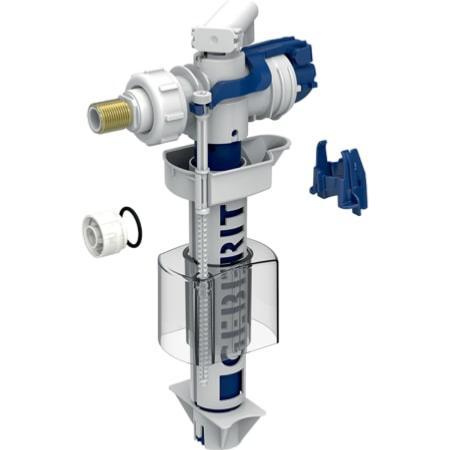
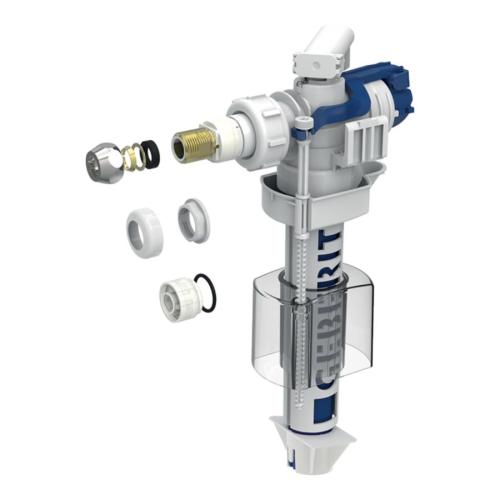
- Float Cup Fill Valves: The float cup fill valve is a more contemporary design and includes a small cup that moves up and down along a vertical shaft. This movement facilitates the opening and closing of the valve. As the water in the cistern reaches the desired level, the float cup rises and the valve shuts off the water supply. The position of the float cup is usually adjusted by a screw mechanism, which establishes the water level in the tank.
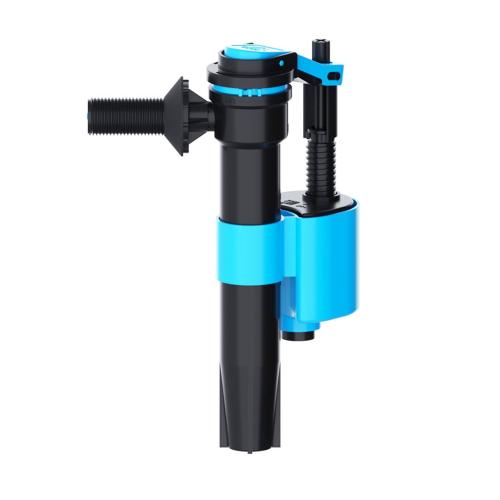
- Diaphragm Fill Valves: Diaphragm fill valves are another modern option that use a rubber diaphragm that flexes up and down and controls the water flow. They are quieter than other fill valves and are less prone to leaks. Adjustments to the water level are made with a screw or a clip placed on the valve mechanism. This type is well-suited for toilets designed to conserve water.
Common Fill Valve Problems and Solutions
Maintaining a properly functioning toilet is key to household comfort and water conservation. The toilet fill valve, which controls the refilling of the tank post-flush, can be the culprit of several common toilet issues. Here's how to identify and solve them.
Leak Detection and Repair
Problem: Leaking can manifest through sounds of constant water flow or visible trickles down the toilet bowl. Often, a compromised flapper valve causes inability to form a tight seal, allowing water to leak from the tank into the bowl.
Solution:
- Inspect the flapper for wear or damage and replace it if necessary.
- Ensure the flush valve is securely seated.
- If you observe the leak point at the valve base, tighten the locknut or replace the rubber washer to secure the seal.
Adjusting Water Levels and Flow
Problem: Your toilet may either not flush completely due to insufficient water or wastewater if the level is too high, leading to overflows.
Solution:
- Locate the adjustment screw on the float valve and turn to raise or lower the water level.
- For float cup models, squeeze the adjustment clip and slide the cup up or down along the rod.
Dealing with Mineral Deposits and Corrosion
Problem: Mineral deposits from hard water and corrosion can interfere with the moving components of the fill valve, potentially restricting the water flow.
Solution:
- Regularly inspect the fill valve and its components for any signs of buildup or corrosion.
- Gently clean away debris using a suitable descaling agent.
- Consider replacing any heavily corroded parts or the entire fill valve assembly if cleaning isn't enough.
Maintaining and Replacing Toilet Fill Valves
Regular maintenance and timely replacement of toilet fill valves are essential to ensure your bathroom fixtures function efficiently. Recognising when to replace fill valves and choosing the most effective models are key to optimal toilet performance.
When to Replace Toilet Fill Valves
You should consider replacing your toilet fill valve if you experience a toilet that runs constantly, makes unusual noises, or if it takes an exceptionally long time for the tank to refill after flushing. Leaks in the toilet tank or around the toilet base may also indicate a failing fill valve. Visible wear or corrosion on the valve components, such as the float or rod, signals the need for a replacement. Besides addressing immediate concerns, regular inspections of your fill valve can prevent future issues, saving water and keeping your toilet system in a proper functioning state.
Choosing the Best Toilet Fill Valves for Efficiency
When selecting a new toilet fill valve, consider valves with high-quality materials like brass or plastic that are durable and resistant to wear. Modern fill valves often come with features designed to enhance water efficiency and minimise the risk of leaks. Fill valves with a brass body tend to be robust, while those with a plastic body are more resistant to corrosion and typically more cost-effective.
Features to Look For:
- Adjustable Height: Ensure the fill valve fits the size of your toilet tank.
- Silent Fill: Opt for a valve that fills the tank quietly to avoid disturbance.
- Anti-Siphon Design: Prevents contamination of the water supply.
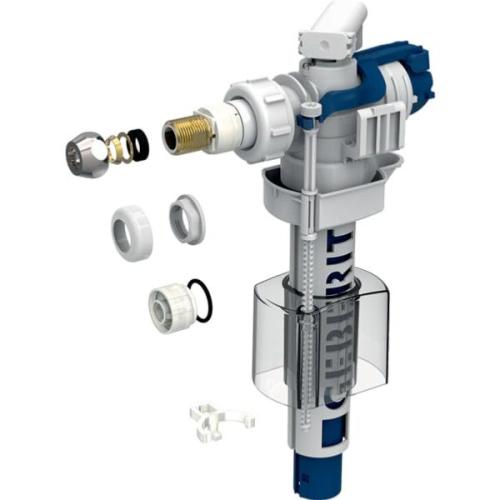
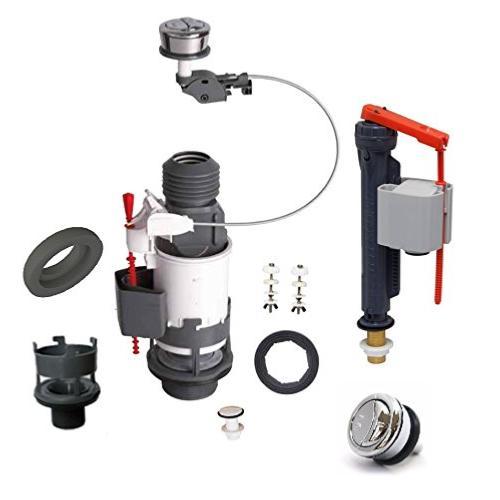
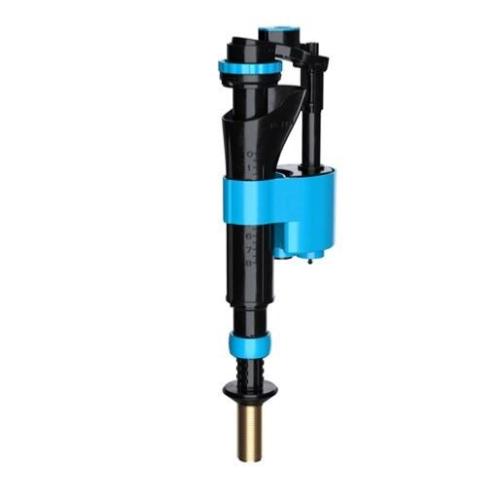
When it comes to anatomy, familiarise yourself with parts such as the float cup, refill tube, and adjustment screw to make sure they're easy to manage during replacement or repair. The correct tools for replacing a toilet fill valve usually include a wrench or pliers and a sponge or towel for cleaning up any spillage.
Frequently Asked Questions
1. How does a toilet fill valve shut off water?
A toilet fill valve shuts off water by using a float mechanism. As the water level rises, the float ascends, triggering the valve to close. This stops the water flow once it reaches a pre-set level, ensuring efficient filling without overflow.
2. How can you correctly adjust the water level in a toilet fill valve?
Adjust the water level by turning the adjustment screw on the fill valve. Clockwise turns will usually raise the water level, while anti-clockwise turns will lower it. Make small adjustments and flush to test the new water level.
3. How can you repair a malfunctioning toilet fill valve?
If the fill valve is malfunctioning, turn off the water and inspect the float and valve for blockages or damage. You may need to clean or replace parts. Always check the manufacturer's guidelines or consult a professional plumber.
Conclusion
A kitchen sink can become blocked for several reasons, such as food waste, grease or soap residue. You can clear these blockages using basic household items or specific tools from your local hardware store.
For sinks that continue to drain slowly or are completely blocked, it may be time to consult plumbing experts. If you're worried about your plumbing, contacting professionals is the best choice to avoid further damage. If you need reliable plumbing supplies, contact Plumb2u today.
A kitchen sink can become blocked for several reasons, such as food waste, grease or soap residue. You can clear these blockages using basic household items or specific tools from your local hardware store.
For sinks that continue to drain slowly or are completely blocked, it may be time to consult plumbing experts. If you're worried about your plumbing, contacting professionals is the best choice to avoid further damage. If you need reliable plumbing supplies, contact Plumb2u today. Feel free to contact us at 03300 535899 or customercare@plumb2u.com for any queries you may have.






Understanding how a toilet fill valve works is a key component to maintaining your bathroom's plumbing. Essentially, this valve is responsible for managing the water level within the toilet tank after you flush.
Once the toilet is flushed and the water is emptied from the tank, the fill valve's job begins. The mechanism detects the drop in water level and triggers the water supply line to refill the tank. As the tank refills, the valve ensures the tank receives enough water to enable a proper flush but not so much that it causes an overflow or excessive water usage. A toilet's fill valve is crucial in conserving water and preventing leaks. Knowing how to adjust and maintain this mechanism can save you from the annoyances and expenses of common toilet problems, such as continuous running or inadequate flushing.
Fundamental Mechanics of Toilet Fill Valves
The efficient operation of your toilet relies on the seamless function of the fill valve, which controls water flow and ensures the tank maintains the correct level.
Understanding Water Flow and Tank Filling
When toilets are flushed, the water level in the tank drops and the fill valve activates, beginning the refilling process. The fill valve, connected to the water supply line, allows water to enter the tank. This flow of water is essential for the toilet to be ready for the next flush.
As the tank empties, a float device inside the tank descends, prompting the fill valve to open. This results in water being drawn into the tank. Modern fill valves often use a float cup or a floating ball attached to an arm, but the core functionality remains to replace the water that has been flushed from the tank into the bowl and subsequently into the waste line.
The Role of the Float in Regulating Water Level
The float's primary duty is to monitor and adjust the water level in the tank during refilling. As water rises, so does the float. When the float reaches a pre-set height, it signals the fill valve to close, stopping the water flow.
Float-driven mechanisms include:
- Float Balls: A ball attached to a horizontal rod, which lifts and shuts off the valve.
- Float Cups: A cylindrical cup that moves up and down the valve body itself, commonly seen in modern toilets.
The position of the float is adjustable, which allows you to fine-tune the amount of water in the tank after each refill. Adjustments can be made typically with a screw, by bending the arm for float balls or by sliding the float cup up or down the fill valve shaft. Ensuring the float is set correctly prevents both overfill and underfill scenarios, where the former can lead to water waste and the latter to insufficient flushing power. You can gauge this by removing the tank lid. If water is draining at the overflow tube, try to set the float lower. By maintaining a properly adjusted float, you can ensure that just enough water enters the toilet tank. This helps to restore the right level for an effective flush while preventing excess water from spilling through the overflow pipe.
Types of Toilet Fill Valves
When your toilet cistern requires refilling after a flush, it's the toilet fill valve that ensures the correct amount of water flows into the tank. Different types of fill valves have distinct mechanisms and features, including the following:
- Traditional Ballcock Valves: The original ballcock valve, which is also known as a float valve, uses a floating ball attached to a horizontal rod. As the water level in the cistern drops, the ball lowers, opening the valve and allowing water to flow in. When the water rises to the set level, the ball floats upwards, which gradually closes the valve, stopping the water flow.
- Float Cup Fill Valves: The float cup fill valve is a more contemporary design and includes a small cup that moves up and down along a vertical shaft. This movement facilitates the opening and closing of the valve. As the water in the cistern reaches the desired level, the float cup rises and the valve shuts off the water supply. The position of the float cup is usually adjusted by a screw mechanism, which establishes the water level in the tank.
- Diaphragm Fill Valves: Diaphragm fill valves are another modern option that use a rubber diaphragm that flexes up and down and controls the water flow. They are quieter than other fill valves and are less prone to leaks. Adjustments to the water level are made with a screw or a clip placed on the valve mechanism. This type is well-suited for toilets designed to conserve water.
Common Fill Valve Problems and Solutions
Maintaining a properly functioning toilet is key to household comfort and water conservation. The toilet fill valve, which controls the refilling of the tank post-flush, can be the culprit of several common toilet issues. Here's how to identify and solve them.
Leak Detection and Repair
Problem: Leaking can manifest through sounds of constant water flow or visible trickles down the toilet bowl. Often, a compromised flapper valve causes inability to form a tight seal, allowing water to leak from the tank into the bowl.
Solution:
- Inspect the flapper for wear or damage and replace it if necessary.
- Ensure the flush valve is securely seated.
- If you observe the leak point at the valve base, tighten the locknut or replace the rubber washer to secure the seal.
Adjusting Water Levels and Flow
Problem: Your toilet may either not flush completely due to insufficient water or wastewater if the level is too high, leading to overflows.
Solution:
- Locate the adjustment screw on the float valve and turn to raise or lower the water level.
- For float cup models, squeeze the adjustment clip and slide the cup up or down along the rod.
Dealing with Mineral Deposits and Corrosion
Problem: Mineral deposits from hard water and corrosion can interfere with the moving components of the fill valve, potentially restricting the water flow.
Solution:
- Regularly inspect the fill valve and its components for any signs of buildup or corrosion.
- Gently clean away debris using a suitable descaling agent.
- Consider replacing any heavily corroded parts or the entire fill valve assembly if cleaning isn't enough.
Maintaining and Replacing Toilet Fill Valves
Regular maintenance and timely replacement of toilet fill valves are essential to ensure your bathroom fixtures function efficiently. Recognising when to replace fill valves and choosing the most effective models are key to optimal toilet performance.
When to Replace Toilet Fill Valves
You should consider replacing your toilet fill valve if you experience a toilet that runs constantly, makes unusual noises, or if it takes an exceptionally long time for the tank to refill after flushing. Leaks in the toilet tank or around the toilet base may also indicate a failing fill valve. Visible wear or corrosion on the valve components, such as the float or rod, signals the need for a replacement. Besides addressing immediate concerns, regular inspections of your fill valve can prevent future issues, saving water and keeping your toilet system in a proper functioning state.
Choosing the Best Toilet Fill Valves for Efficiency
When selecting a new toilet fill valve, consider valves with high-quality materials like brass or plastic that are durable and resistant to wear. Modern fill valves often come with features designed to enhance water efficiency and minimise the risk of leaks. Fill valves with a brass body tend to be robust, while those with a plastic body are more resistant to corrosion and typically more cost-effective.
Features to Look For:
- Adjustable Height: Ensure the fill valve fits the size of your toilet tank.
- Silent Fill: Opt for a valve that fills the tank quietly to avoid disturbance.
- Anti-Siphon Design: Prevents contamination of the water supply.
When it comes to anatomy, familiarise yourself with parts such as the float cup, refill tube, and adjustment screw to make sure they're easy to manage during replacement or repair. The correct tools for replacing a toilet fill valve usually include a wrench or pliers and a sponge or towel for cleaning up any spillage.
Frequently Asked Questions
1. How does a toilet fill valve shut off water?
A toilet fill valve shuts off water by using a float mechanism. As the water level rises, the float ascends, triggering the valve to close. This stops the water flow once it reaches a pre-set level, ensuring efficient filling without overflow.
2. How can you correctly adjust the water level in a toilet fill valve?
Adjust the water level by turning the adjustment screw on the fill valve. Clockwise turns will usually raise the water level, while anti-clockwise turns will lower it. Make small adjustments and flush to test the new water level.
3. How can you repair a malfunctioning toilet fill valve?
If the fill valve is malfunctioning, turn off the water and inspect the float and valve for blockages or damage. You may need to clean or replace parts. Always check the manufacturer's guidelines or consult a professional plumber.
Conclusion
A kitchen sink can become blocked for several reasons, such as food waste, grease or soap residue. You can clear these blockages using basic household items or specific tools from your local hardware store.
For sinks that continue to drain slowly or are completely blocked, it may be time to consult plumbing experts. If you're worried about your plumbing, contacting professionals is the best choice to avoid further damage. If you need reliable plumbing supplies, contact Plumb2u today.
A kitchen sink can become blocked for several reasons, such as food waste, grease or soap residue. You can clear these blockages using basic household items or specific tools from your local hardware store.
For sinks that continue to drain slowly or are completely blocked, it may be time to consult plumbing experts. If you're worried about your plumbing, contacting professionals is the best choice to avoid further damage. If you need reliable plumbing supplies, contact Plumb2u today. Feel free to contact us at 03300 535899 or customercare@plumb2u.com for any queries you may have.