
Non-Electric Water Softeners
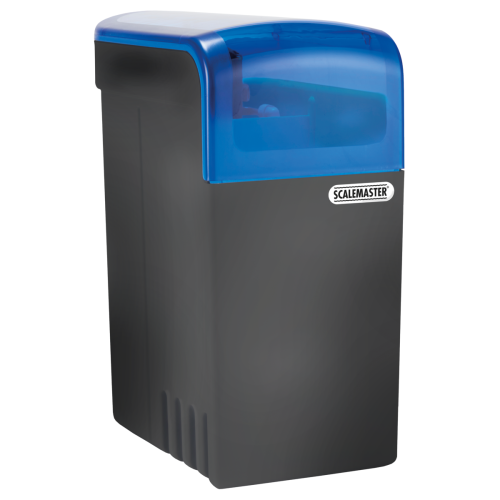
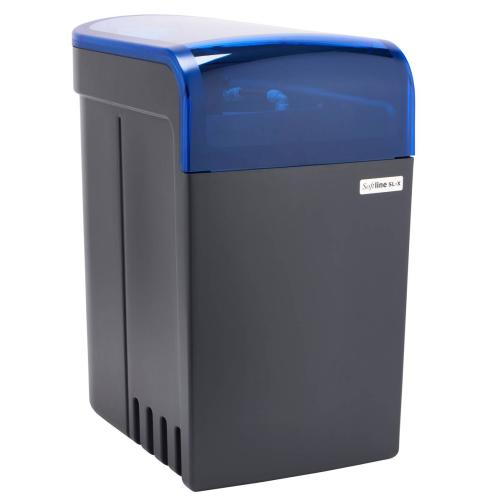
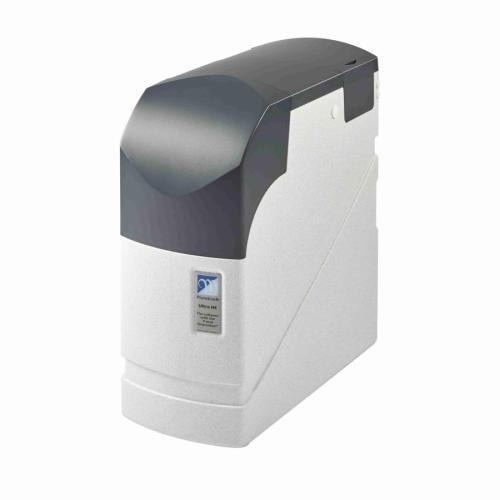
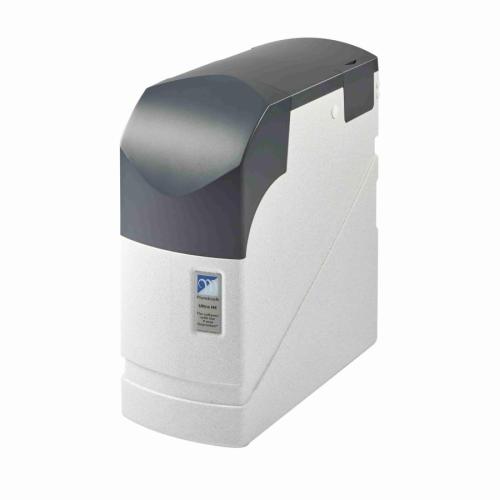
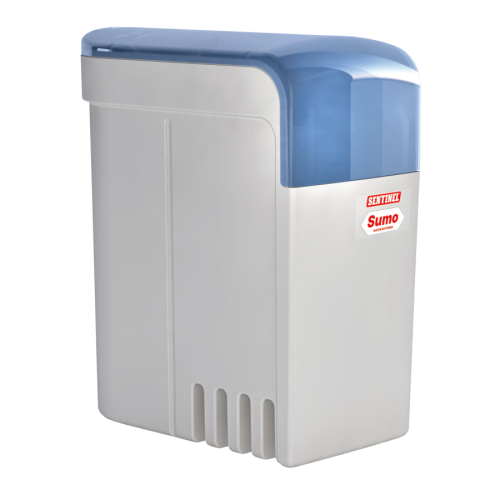
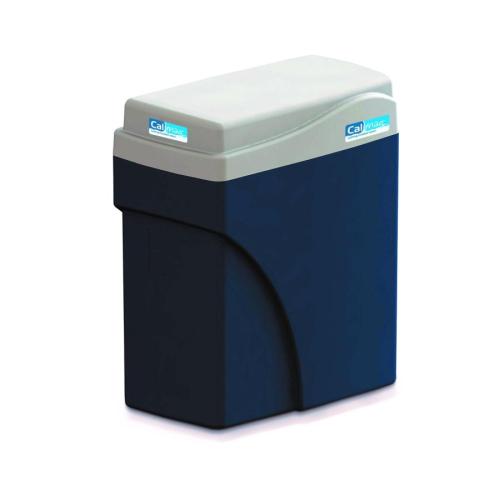
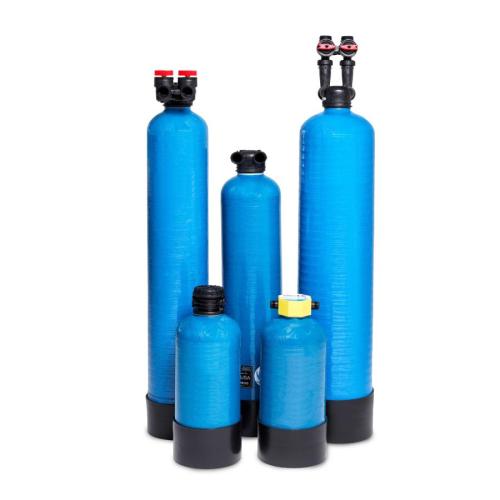
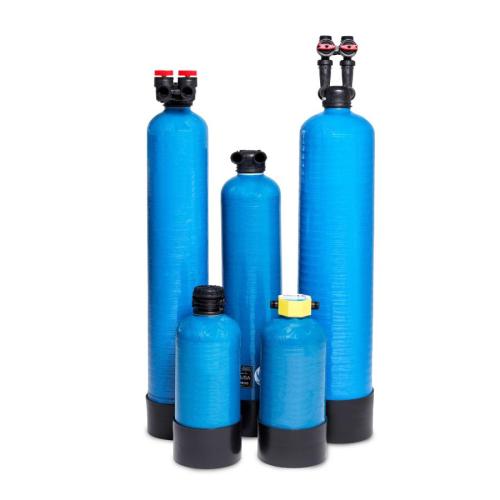
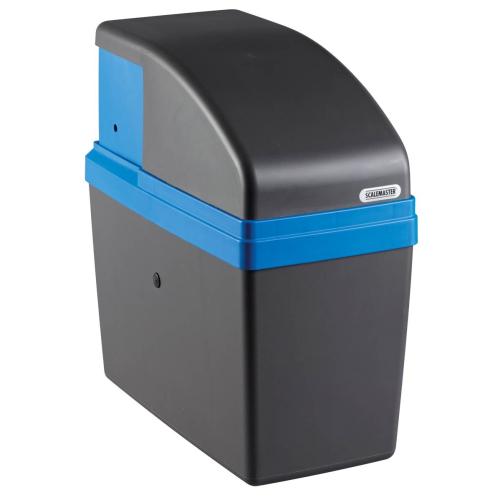
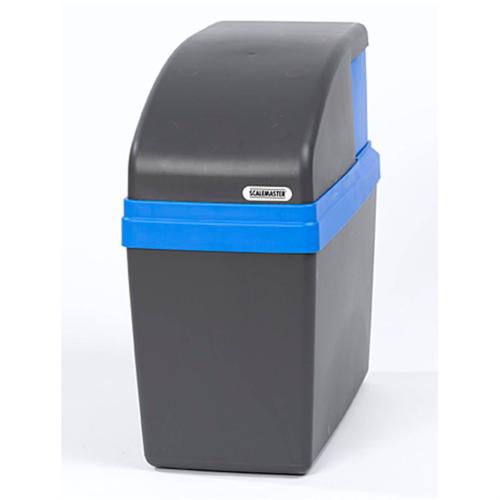
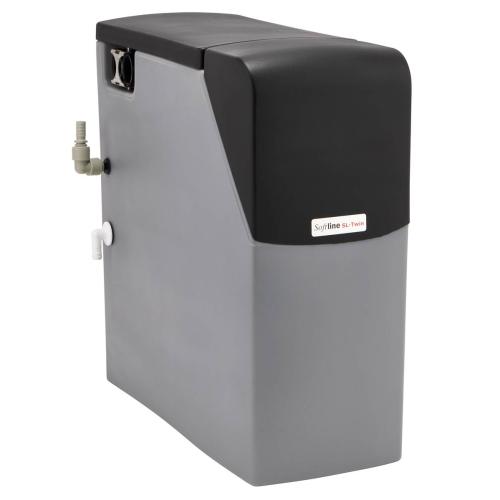
Non-electric water softeners are a practical way to tackle hard water without relying on electricity, making them a popular choice for households that want a lower-maintenance softening system. Many models use a twin tank design and regenerate on demand, which means the system responds to actual water usage rather than running on a timer. The result is a steady supply of soft water, less limescale around the home, and a reliable option for households looking to balance performance, efficiency, and convenience.


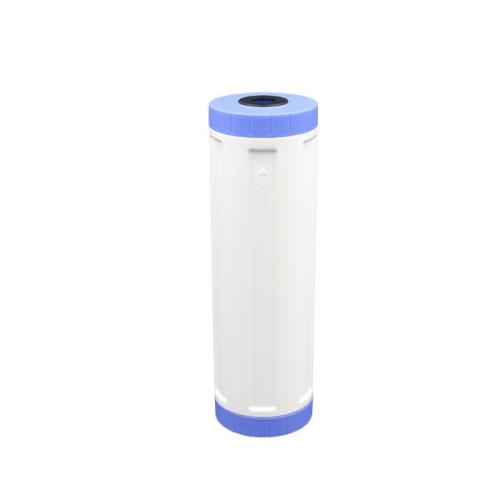
About Non-Electric Water Softeners
What are Water Softeners?
Water softeners are systems that reduce the minerals in hard water, helping to cut down limescale and improve water quality around the home. In practical terms, that means softened water for washing, bathing, and everyday use, with less build-up on taps, shower heads, appliances, and pipework.
Benefits of Non-Electric Water Softeners
Non-electric water softeners are a popular choice because they rely on mechanical operation instead of electricity. A few benefits include:
- Saving money. Soft water lacks the mineral ions that cause build-up in your pipes and appliances, helping to reduce costly repair bills. Mineral build-up narrows pipework, increases pump pressure requirements, and raises the energy needed to keep water hot or cold. It can also shorten the lifespan of appliances such as dishwashers, washing machines, coffee machines, water heaters and ice makers.
- Cleaner hair and softer skin. The mineral ions in hard water prevent soaps from dissolving properly, often creating soap scum. Soft water helps soaps lather better, leaving hair cleaner and skin feeling softer.
- Brighter and softer clothes. A water softener removes minerals before they can build up on clothing or dishes. Soft water combines with soaps and detergents more effectively, creating more lather and improving cleaning results.
- Less time cleaning. Hard water can leave limescale and soap scum on showers, sinks, taps and dishes. Using a water softener helps reduce residue, making cleaning easier and saving time each week.
Browse our guide on the benefits of using water softeners for more details.
Difference Between Electric & Non-Electric Water Softeners
Unlike electric models, non-electric water softeners do not rely on mains power to manage the process. Instead, they use water flow to control regeneration, with many systems designed to measure water usage and regenerate only when needed. That makes them a practical option for households that want soft water without the added complexity of powered controls.
Electric systems, by contrast, use powered timers or electronic controls to decide when regeneration takes place. In simple terms, non-electric models respond to actual demand, while electric ones tend to follow programmed settings. The best option comes down to your household size, available space, and how much convenience you want from the system.
Many models also use block salt or tablet salt, depending on the unit, so it is worth checking what type your chosen system requires before installation. Plumb2U has a range of Water Softener Salt and Accessories to help you find what you need.
FAQs
1. What’s the difference between block salt and tablet salt?
The main difference is the format. Block salt is commonly used in certain compact softeners, while tablet salt suits other models, so always check which type your unit requires.
2. How do non-electric water softeners measure water usage?
Many models use a metered system that tracks flow through the unit. That helps the system determine when regeneration is actually needed, rather than running on a fixed timer.
3. What does twin tank mean on a non-electric water softener?
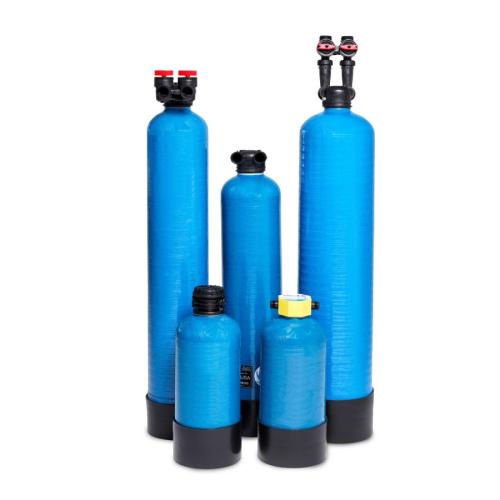
A twin tank system uses two resin tanks instead of one. That allows one tank to keep supplying soft water while the other regenerates, which is ideal for busier households.
4. Are non-electric water softeners a good choice for most homes?
They can be, especially if you want a simple system without powered controls. They’re often a strong option for households that want reliable softened water with less electrical complexity.
5. Are water conditioners an alternative to water softeners?
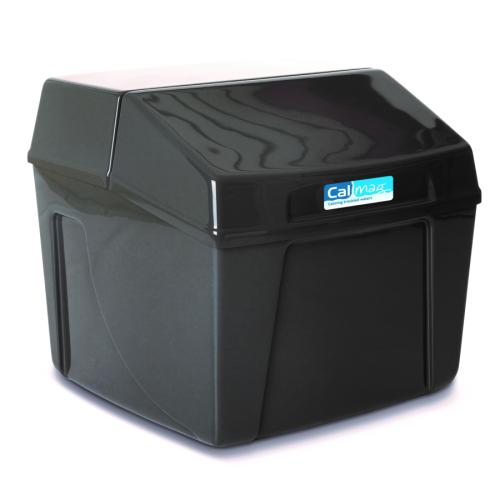
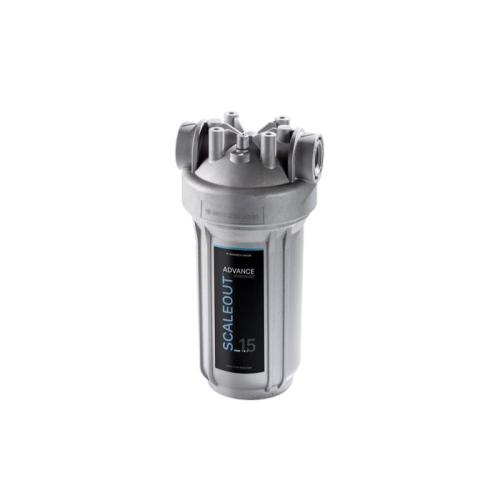
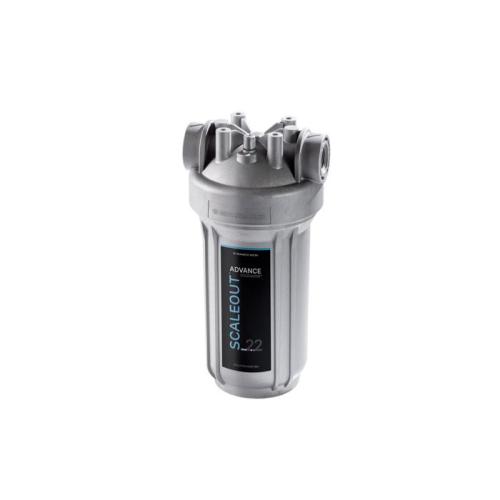
Yes, they can be. A water conditioner is often chosen by households that want to reduce limescale without installing a full softening system, but it works differently because it doesn’t remove hardness minerals in the same way a water softener does. If you’re comparing both options, it’s worth looking at conditioners to see which type of treatment best suits your home and water usage.