
Radiator Not Working Properly? How and What to Check
With the cost of energy these days, you want to make sure that your heating system is working as best as it can. You don't necessarily have to replace your boiler or your radiators to improve the efficiency of your heating system and save money. There are often undetected problems in your system and...


If your radiator isn't heating up properly, the cause is usually one of four things: trapped air, low boiler pressure, a faulty valve, or sludge buildup. This guide helps you work out which one you're dealing with, what you can fix yourself, and when to call a professional heating engineer.
Start here: what is the radiator doing?
Before checking anything else, identify the symptom. Where your radiator is cold tells you a lot about what's causing the problem.
|
Symptom |
Likely cause |
|
Cold at the top, warm at the bottom |
Trapped air; bleed the radiator |
|
Cold at the bottom, warm at the top |
Sludge buildup blocking hot water flow |
|
Cold in the middle |
Rust or sludge deposits |
|
Completely cold |
Closed valve, low boiler pressure, or faulty diverter valve |
|
Hot at the top, cold at the bottom |
Blockage; may need a power flush |
When you have a problem with one radiator
If you've established that the issue is with a single radiator, there are several checks you can perform. Some of the causes may require professional assistance, but it could also be a simple fix that you can handle on your own. Here are some of the potential reasons:
Your radiator has air pockets
Air pockets in cold radiators can cause a range of issues such as corrosion and your home not reaching the desired temperature with a cold radiator while it could and prevent your heating system from functioning efficiently. It's important to address these air pockets as they can impact the performance of your heating system and ultimately lead to higher energy bills. Air pockets can be caused by leaks in the system as well as the expansion and contraction of the system.
Here's what you should do if you have air pockets in your radiators:
Locate the air pockets - The first step is to determine where the air pockets are located, these can be located at the top, middle or bottom of your radiator.
When radiators are cold at the top, this is a sign of trapped air. Should they be cold at the bottom then the likely cause is sludge and debris while cold spots in the middle could also be caused by rust or sludge. You can do this by feeling the cold radiators downstairs, for cold spots, as these are usually a sign of an air pocket. You can also listen for gurgling or hissing sounds, which are another indicator of air pockets.
Occasionally, you may encounter a situation where your radiator is hot on top but cold at the bottom. This usually indicates that there is a blockage in the radiator caused by the accumulation of debris, sludge, or other contaminants. The blockage is preventing the hot water from properly circulating throughout the top of the radiator, which is why the bottom remains cold.
To effectively address this issue, it is recommended to seek the help of a professional. They will be able to provide a power flushing service, which is designed to remove debris, sludge, and other contaminants from your central heating system. This will help restore the system's efficiency and performance.
There are other signs that you may need a power flushing service, such as uneven heating in different rooms, slow warming of the central heating system, and the need to bleed your radiators frequently. Additionally, limited or no hot water could also indicate the presence of sludge in the system, although other issues could be the cause.
It is important to take action when you notice these signs, as they can have a negative impact on the overall performance of your central heating system. By having a power flushing service performed, you can ensure that your system is functioning optimally and providing you with the warmth and comfort you need.
Your radiator thermostat is not working
The issue of a radiator thermostatic valve not working properly could have a simple solution. It could be that the valve has simply been turned off, instead of being set to a specific temperature. In this case, you can easily switch it back on and regain control over the temperature in your room. You should also check to see if the valve is in the right position. These work by sensing the temperature of the room and then allowing the water to flow to increase the temperature. To give you an idea of the individual positions mean:
- 0 = Off
- * = 7°C
- 1 = 10°C
- 2 = 15°C
- 3 = 20°C
- 4 = 25°C
- 5 = 30°C
It is possible that the TRV mechanism can become stuck. This is often caused by inactivity during the summer months.
To diagnose this issue, you can remove the top cover of the valve by loosening the knurled nut securing it. It is important to take caution when removing the cover, as undoing any other nuts on the valve can result in water leaks.
Once the cover has been removed, you should check the movement of the centre pin. If the pin cannot be moved up and down by a few millimetres, it is likely that it has become stuck and needs to be freed. You can try tapping the pin gently to loosen it. If the pin remains stuck, it may be necessary to replace the entire valve. For safety reasons, it is always recommended to seek the help of a professional for this type of repair.
You have a leaking radiator
A leaky radiator can be a significant problem, leading to the need for a replacement or repair. However, there are various methods that could resolve the issue, such as using external sealers or leak sealers, depending on the severity of the leak.
Corrosion is a common cause of thermostatic radiator valves' leaks, indicating that the system has not been well-maintained and may require a cleaning and protection service. On the other hand, a leak at the connection point of a thermostatic radiator valve to a pipe or radiator or a leak at a pipe joint could simply be a result of a loose nut, which can be easily tightened with a monkey wrench.
Any kind of water seen leaking from pipework will need to be addressed and this is where you should call an expert. They can properly assess the problem and take the necessary steps to resolve it, ensuring that your central heating system functions efficiently and effectively. This could mean that you might need to have your radiator replaced or the pipework replaced due to failure.
When you have an issue with multiple radiators
You might find that more than just one radiator is not working. There are many different reasons why this might be the case but let’s explore different options when it comes to fixing the problem.
Faulty Diverter Valve
If the central heating controls all appear to be functioning correctly and the pressure is at the appropriate level, yet no warm water is flowing to your radiators, it could mean that there is an issue with a diverter valve.
The diverter valve is a motorised component in the system that controls the flow of hot water to either your heating or your taps. Its priority is to provide warm water to your taps, so if you turn on your heating while also needing hot water from your taps, the diverter valve fault and will redirect the flow to the taps.
If hot water is reaching your taps, but not your radiators, this may indicate that the diverter valve is stuck. Attempting to fix this issue on your own is not recommended and you should seek out a professional engineer who is certified by Gas Safe.
Central Heating Control Issue
Although it is uncommon, a malfunction in the controls of your central heating system can prevent your radiators from turning on, even if the boiler is functioning properly and the pressure is within normal limits. This may be due to a problem with the electronic control panel that regulates the timing of your radiators heat and heating and communicates with your boiler.
To determine if this is the issue, take a look at the timing control and make sure it is set correctly. Ensure that the "on" demand is selected, so that your radiators are receiving heat.
However, attempting to modify the control panel or diagnose the problem yourself can only worsen the situation and result in additional expenses. It is best to reach out to a professional heating specialist who has the necessary expertise to resolve the issue.
Low Boiler Pressure
A low-pressure issue in a combi boiler can lead to a lack of hot water in your home, making it an inconvenience. This problem occurs because combi boilers rely on a closed-loop system and need to be pressurised between one and two bars to function effectively.
There are a few ways to check the pressure levels in your combi boiler. The first is by visually checking the head of the cylinder, typically found in the airing cupboard. Another option is by looking at the front of the boiler, where the pressure gauge is located.
If you find that the pressure is low, you can try increasing it using the top-up valve. However, be cautious not to add too much water to the system, as it could cause problems. In this situation, it's best to seek the help of a professional who can assess the situation and make the necessary adjustments to resolve the low-pressure issue.
A Significant Issue with Your Boiler
If your central heating system is not functioning properly and all of your radiators are cold, it could be a sign of a significant problem that requires immediate attention. In such a case, it is essential to thoroughly inspect your system to determine the root cause of the issue.
Another way to check for potential issues is to look for any irregularities in your central heating system. For instance, is one radiator heating up while the others remain cold? Are some rooms warmer than others? These could all be signs of a more significant issue.
It is critical to seek the assistance of a professional heating engineer if you suspect that you have a significant problem with your central heating system. An experienced engineer will be able to diagnose the issue and provide you with the necessary repairs or replacements to restore your system to its proper functioning state.
Keeping Your Heating System in Good Shape
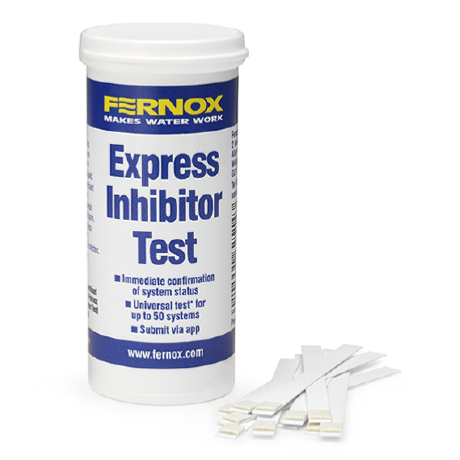
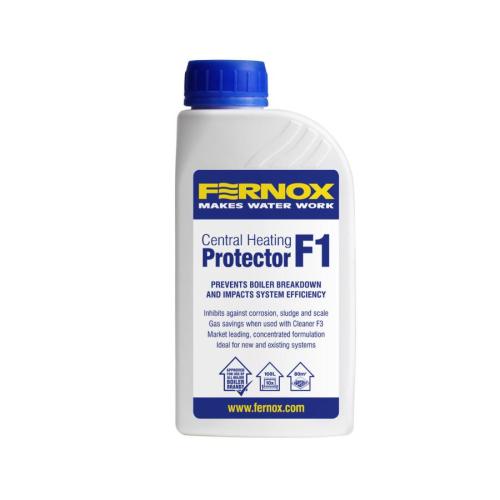
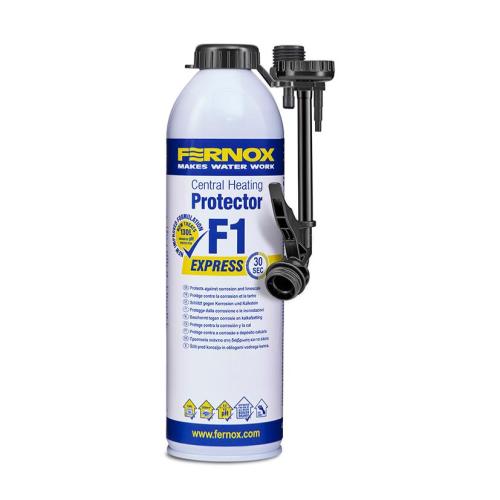
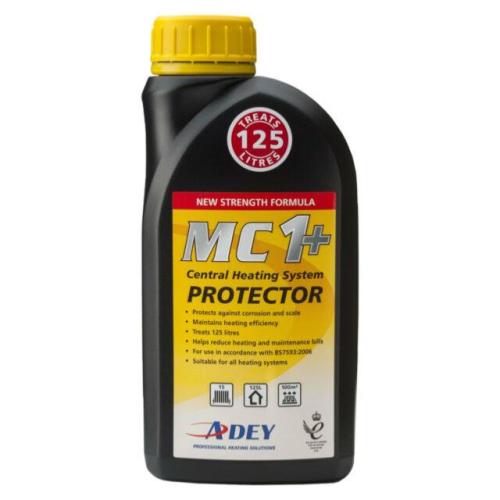
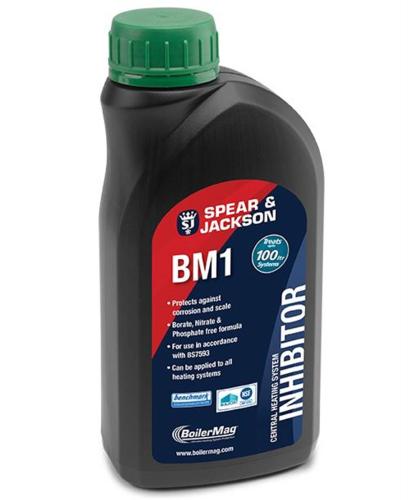
Most radiator problems can be avoided with a bit of routine maintenance. Bleed radiators once a year before winter, check boiler pressure monthly, and use a quality heating system inhibitor to slow corrosion and sludge buildup. An annual boiler service will also flag pressure and valve issues before they leave you with cold radiators in December.
Plumb2U stocks TRV valves, bleed keys, and central heating chemicals at trade prices if you need parts to sort the job yourself.
Related Categories
Frequently Asked Questions
Why is my radiator not heating up?
The most common causes are trapped air, low boiler pressure, a stuck thermostatic radiator valve, or sludge buildup. Where the radiator is cold (top, bottom, or completely) usually points to which one.
How do I know if I need to bleed my radiator?
If the radiator is warm at the bottom but cold at the top, trapped air is likely the cause. Use a radiator key to open the bleed valve until water appears, then close it and check your boiler pressure. Our guidance on how to bleed a radiator will help.
When should I call a heating engineer?
If pressure keeps dropping after topping up, multiple radiators stay cold after bleeding, or you suspect a faulty diverter valve or leak in the pipework, it's time to call a Gas Safe registered engineer.



Radiator Not Working Properly? How and What to Check
With the cost of energy these days, you want to make sure that your heating system is working as best as it can. You don't necessarily have to replace your boiler or your radiators to improve the efficiency of your heating system and save money. There are often undetected problems in your system and...
If your radiator isn't heating up properly, the cause is usually one of four things: trapped air, low boiler pressure, a faulty valve, or sludge buildup. This guide helps you work out which one you're dealing with, what you can fix yourself, and when to call a professional heating engineer.
Start here: what is the radiator doing?
Before checking anything else, identify the symptom. Where your radiator is cold tells you a lot about what's causing the problem.
|
Symptom |
Likely cause |
|
Cold at the top, warm at the bottom |
Trapped air; bleed the radiator |
|
Cold at the bottom, warm at the top |
Sludge buildup blocking hot water flow |
|
Cold in the middle |
Rust or sludge deposits |
|
Completely cold |
Closed valve, low boiler pressure, or faulty diverter valve |
|
Hot at the top, cold at the bottom |
Blockage; may need a power flush |
When you have a problem with one radiator
If you've established that the issue is with a single radiator, there are several checks you can perform. Some of the causes may require professional assistance, but it could also be a simple fix that you can handle on your own. Here are some of the potential reasons:
Your radiator has air pockets
Air pockets in cold radiators can cause a range of issues such as corrosion and your home not reaching the desired temperature with a cold radiator while it could and prevent your heating system from functioning efficiently. It's important to address these air pockets as they can impact the performance of your heating system and ultimately lead to higher energy bills. Air pockets can be caused by leaks in the system as well as the expansion and contraction of the system.
Here's what you should do if you have air pockets in your radiators:
Locate the air pockets - The first step is to determine where the air pockets are located, these can be located at the top, middle or bottom of your radiator.
When radiators are cold at the top, this is a sign of trapped air. Should they be cold at the bottom then the likely cause is sludge and debris while cold spots in the middle could also be caused by rust or sludge. You can do this by feeling the cold radiators downstairs, for cold spots, as these are usually a sign of an air pocket. You can also listen for gurgling or hissing sounds, which are another indicator of air pockets.
Occasionally, you may encounter a situation where your radiator is hot on top but cold at the bottom. This usually indicates that there is a blockage in the radiator caused by the accumulation of debris, sludge, or other contaminants. The blockage is preventing the hot water from properly circulating throughout the top of the radiator, which is why the bottom remains cold.
To effectively address this issue, it is recommended to seek the help of a professional. They will be able to provide a power flushing service, which is designed to remove debris, sludge, and other contaminants from your central heating system. This will help restore the system's efficiency and performance.
There are other signs that you may need a power flushing service, such as uneven heating in different rooms, slow warming of the central heating system, and the need to bleed your radiators frequently. Additionally, limited or no hot water could also indicate the presence of sludge in the system, although other issues could be the cause.
It is important to take action when you notice these signs, as they can have a negative impact on the overall performance of your central heating system. By having a power flushing service performed, you can ensure that your system is functioning optimally and providing you with the warmth and comfort you need.
Your radiator thermostat is not working
The issue of a radiator thermostatic valve not working properly could have a simple solution. It could be that the valve has simply been turned off, instead of being set to a specific temperature. In this case, you can easily switch it back on and regain control over the temperature in your room. You should also check to see if the valve is in the right position. These work by sensing the temperature of the room and then allowing the water to flow to increase the temperature. To give you an idea of the individual positions mean:
- 0 = Off
- * = 7°C
- 1 = 10°C
- 2 = 15°C
- 3 = 20°C
- 4 = 25°C
- 5 = 30°C
It is possible that the TRV mechanism can become stuck. This is often caused by inactivity during the summer months.
To diagnose this issue, you can remove the top cover of the valve by loosening the knurled nut securing it. It is important to take caution when removing the cover, as undoing any other nuts on the valve can result in water leaks.
Once the cover has been removed, you should check the movement of the centre pin. If the pin cannot be moved up and down by a few millimetres, it is likely that it has become stuck and needs to be freed. You can try tapping the pin gently to loosen it. If the pin remains stuck, it may be necessary to replace the entire valve. For safety reasons, it is always recommended to seek the help of a professional for this type of repair.
You have a leaking radiator
A leaky radiator can be a significant problem, leading to the need for a replacement or repair. However, there are various methods that could resolve the issue, such as using external sealers or leak sealers, depending on the severity of the leak.
Corrosion is a common cause of thermostatic radiator valves' leaks, indicating that the system has not been well-maintained and may require a cleaning and protection service. On the other hand, a leak at the connection point of a thermostatic radiator valve to a pipe or radiator or a leak at a pipe joint could simply be a result of a loose nut, which can be easily tightened with a monkey wrench.
Any kind of water seen leaking from pipework will need to be addressed and this is where you should call an expert. They can properly assess the problem and take the necessary steps to resolve it, ensuring that your central heating system functions efficiently and effectively. This could mean that you might need to have your radiator replaced or the pipework replaced due to failure.
When you have an issue with multiple radiators
You might find that more than just one radiator is not working. There are many different reasons why this might be the case but let’s explore different options when it comes to fixing the problem.
Faulty Diverter Valve
If the central heating controls all appear to be functioning correctly and the pressure is at the appropriate level, yet no warm water is flowing to your radiators, it could mean that there is an issue with a diverter valve.
The diverter valve is a motorised component in the system that controls the flow of hot water to either your heating or your taps. Its priority is to provide warm water to your taps, so if you turn on your heating while also needing hot water from your taps, the diverter valve fault and will redirect the flow to the taps.
If hot water is reaching your taps, but not your radiators, this may indicate that the diverter valve is stuck. Attempting to fix this issue on your own is not recommended and you should seek out a professional engineer who is certified by Gas Safe.
Central Heating Control Issue
Although it is uncommon, a malfunction in the controls of your central heating system can prevent your radiators from turning on, even if the boiler is functioning properly and the pressure is within normal limits. This may be due to a problem with the electronic control panel that regulates the timing of your radiators heat and heating and communicates with your boiler.
To determine if this is the issue, take a look at the timing control and make sure it is set correctly. Ensure that the "on" demand is selected, so that your radiators are receiving heat.
However, attempting to modify the control panel or diagnose the problem yourself can only worsen the situation and result in additional expenses. It is best to reach out to a professional heating specialist who has the necessary expertise to resolve the issue.
Low Boiler Pressure
A low-pressure issue in a combi boiler can lead to a lack of hot water in your home, making it an inconvenience. This problem occurs because combi boilers rely on a closed-loop system and need to be pressurised between one and two bars to function effectively.
There are a few ways to check the pressure levels in your combi boiler. The first is by visually checking the head of the cylinder, typically found in the airing cupboard. Another option is by looking at the front of the boiler, where the pressure gauge is located.
If you find that the pressure is low, you can try increasing it using the top-up valve. However, be cautious not to add too much water to the system, as it could cause problems. In this situation, it's best to seek the help of a professional who can assess the situation and make the necessary adjustments to resolve the low-pressure issue.
A Significant Issue with Your Boiler
If your central heating system is not functioning properly and all of your radiators are cold, it could be a sign of a significant problem that requires immediate attention. In such a case, it is essential to thoroughly inspect your system to determine the root cause of the issue.
Another way to check for potential issues is to look for any irregularities in your central heating system. For instance, is one radiator heating up while the others remain cold? Are some rooms warmer than others? These could all be signs of a more significant issue.
It is critical to seek the assistance of a professional heating engineer if you suspect that you have a significant problem with your central heating system. An experienced engineer will be able to diagnose the issue and provide you with the necessary repairs or replacements to restore your system to its proper functioning state.
Keeping Your Heating System in Good Shape
Most radiator problems can be avoided with a bit of routine maintenance. Bleed radiators once a year before winter, check boiler pressure monthly, and use a quality heating system inhibitor to slow corrosion and sludge buildup. An annual boiler service will also flag pressure and valve issues before they leave you with cold radiators in December.
Plumb2U stocks TRV valves, bleed keys, and central heating chemicals at trade prices if you need parts to sort the job yourself.
Related Categories
Frequently Asked Questions
Why is my radiator not heating up?
The most common causes are trapped air, low boiler pressure, a stuck thermostatic radiator valve, or sludge buildup. Where the radiator is cold (top, bottom, or completely) usually points to which one.
How do I know if I need to bleed my radiator?
If the radiator is warm at the bottom but cold at the top, trapped air is likely the cause. Use a radiator key to open the bleed valve until water appears, then close it and check your boiler pressure. Our guidance on how to bleed a radiator will help.
When should I call a heating engineer?
If pressure keeps dropping after topping up, multiple radiators stay cold after bleeding, or you suspect a faulty diverter valve or leak in the pipework, it's time to call a Gas Safe registered engineer.