

Dealing with a blocked kitchen sink can be frustrating, especially when you need to tackle dishes or prepare meals. Kitchen sink clogs are often caused by food scraps, grease and soap scum building up in the pipes. Fortunately, there are effective and simple ways to address this issue. Using common household items like baking soda and white vinegar or employing a plunger can help clear away the blockage without the need for professional assistance.
Boiling water is another powerful method. By pouring boiling water down the sink, you can break down some types of clogs, letting the water drain more easily. If these solutions don't work, you may need to take apart the U-bend to remove trapped debris, but wearing rubber gloves to protect your hands is advised. For persistent or more severe clogs, it might be necessary to consult plumbing experts for further help.
5 Common Causes of Kitchen Sink Blockages
Kitchen sinks can get blocked by various things, from food waste to more serious issues, such as bad plumbing or pipe installations. These include:
- Food Waste: Food scraps like vegetable peels and corn husks can clog the pipes. Grease, in particular, sticks to the sides of the pipes and builds up over time, causing blockages.
- Soap Scum: Regular use of soaps can lead to a build-up of soap scum. This sticky residue combines with food particles and blocks the sink drain.
- Foreign Objects: Items like coffee grounds and oil are commonly washed down the sink mistakenly, leading to clogs. These items do not break down easily and can lead to a completely blocked sink.
- Piping Issues: Incorrect pipe installation can lead to problems in water flow, causing backlogs. Older homes might have pipes not suited to handle modern waste disposal.
- Weak Water Flow: Insufficient water pressure can prevent food waste from moving smoothly through the pipes. Lack of hot water can also lead to unmelted grease solidifying inside the pipes.
How to Unblock Your Kitchen Sink
1. Preparation and Safety
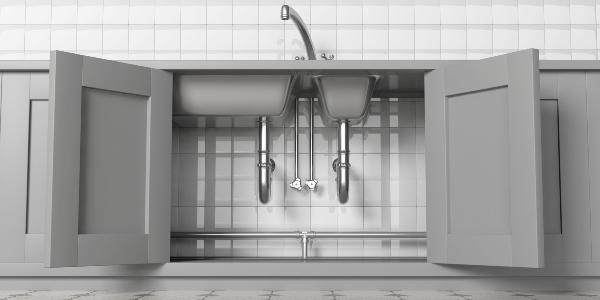
Before you begin fixing your sink, it's important to have the right equipment. Wear rubber gloves to protect your hands from dirty water and sharp objects. Gather a bucket and some old towels to catch any spills. Remove any standing water and debris from the sink bowl using a cup or small container.
If your sink has a U-bend, place a container underneath to catch any water that might spill out. Turn off the water supply to avoid flooding. Ensure that children and pets are kept away from the area as you work. This will keep everyone safe and prevent accidents while you're handling plumbing tools.
2. Using a Plunger Effectively
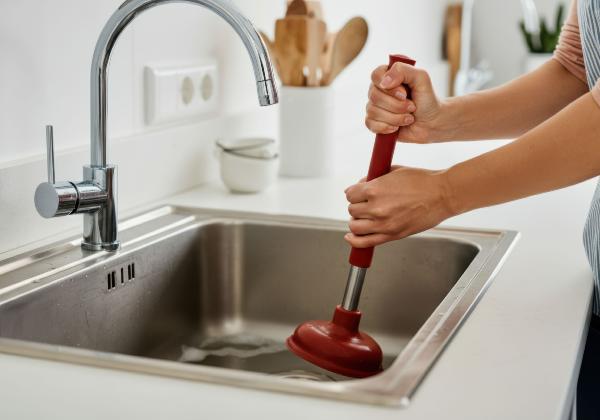
A plunger is one of the most common tools for unclogging a sink. First, create a tight seal over the sink's plug hole or drain opening with the plunger. Pump the plunger up and down several times to build up pressure in the pipe. This process helps to dislodge blockages, like food waste and soap scum, that may be stuck in the drain.
If you have a double sink, block the second drain with a wet cloth to maintain suction. For stubborn clogs, try adding a bit of petroleum jelly to the rim of the plunger to enhance the seal. Plunging is most effective for sinks that are draining slowly, rather than those completely blocked.
3. Applying Boiling Water
Boiling water can help break down grease and grime that have clogged the pipes. First, boil some water. Carefully pour the boiling water directly into the sink drain. Repeat this process a few times to see if the blockage starts to clear.
Be cautious not to use boiling water if you have plastic piping, as it might cause damage. If the use of boiling water doesn’t work, try pouring baking soda and white vinegar down the drain before adding the boiling water. This creates a chemical reaction that can dislodge tougher grease clogs.
Tools You Might Need
To unblock a sink, having the right tools can make the process easier and quicker. Some common items can help tackle a clogged sink effectively.
Basic Tools & Household Items
- Plunger: One of the most common tools to clear a blockage. Useful for creating pressure inside the pipes to dislodge obstructions.
- Rubber Gloves: Wear these to protect your hands when dealing with dirty water or cleaning agents.
- Baking Soda and Vinegar: Pour baking soda into the drain, followed by vinegar. The mixture will create a chemical reaction, loosening minor clogs.
- Drain Unblocker: This can be used to clear stubborn blockages and keep unpleasant odours at bay, if natural cleaning products don’t work.
Specialised Tools & Other Supplies
- Drain Snake: A flexible tool that reaches deep into the pipes to remove stubborn clogs.
- Wire Coat Hanger: Straighten a hanger, use the hook to catch and pull food waste or hair blocking the pipes.
- Wet Cloth: Use it to block overflow holes if attempting to use a plunger, ensuring a tight seal.
- Petroleum Jelly: Applying it around the plunger's rim can improve suction.
When to Call a Professional
Sometimes, DIY methods can’t fix a blocked sink. It’s important to understand when to seek help from a professional plumber who knows how to handle severe blockages effectively. Recognising these situations can save time, prevent damage and ensure the issue is properly resolved.
Assessing the Complexity of the Clog
If your sink is draining slowly or completely blocked despite various attempts to clear it, the clog could be too complex for household solutions. A persistent blockage may indicate a deeper problem in the pipes, beyond where tools like a plunger can reach.
Standing water in the sink, especially if it doesn’t recede after pouring boiling water or using baking soda and vinegar, can be a strong sign. In such cases, the obstruction might be lodged in the U-bend or P-trap, requiring specialist tools and techniques. When the blockage involves grease build-up or unknown objects, it’s wise to call a professional. Sometimes, foreign items, bits of food waste or soap scum can combine to form a stubborn plug that simple DIY methods can't shift.
Understanding the Role of a Professional Plumber
A professional plumber is equipped to handle complex blockages using specialised tools. They can dismantle parts like the trap if necessary, addressing the root cause efficiently. Professionals often use a drain snake or similar devices that can navigate through the pipes more effectively than basic home tools.
Hiring a plumber prevents the risk of damaging your plumbing further. Incorrectly using force or chemical products might harm the pipes, leading to expensive repairs. Professionals also ensure that blockages are completely cleared and unlikely to recur soon, thanks to their comprehensive approach.

Frequently Asked Questions
How often should I clean my kitchen sink drain?
Clean your kitchen sink drain every few weeks. This helps remove food particles and prevents odour build-up. Using boiling water can flush out minor blockages. Regular cleaning helps avoid larger clogs, making your plumbing less likely to need expensive repairs.
Can I use chemical drain cleaners?
Chemical drain cleaners can be effective on stubborn clogs, but they should be used with caution. Regular use can damage pipes over time, especially if your plumbing is older. Instead, consider using natural alternatives like a mixture of baking soda and vinegar. These are less harsh on your drains.
How can I prevent future blockages?
Avoid rinsing grease, coffee grounds or large food scraps down the sink. These can lead to build-ups that cause blockages. Installing a drain catcher can also help by trapping food particles. Regularly pour boiling water down the sink to help clear any small clogs before they become bigger problems.
Conclusion
A kitchen sink can become blocked for several reasons, such as food waste, grease or soap residue. You can clear these blockages using basic household items or specific tools from your local hardware store.
For sinks that continue to drain slowly or are completely blocked, it may be time to consult plumbing experts. If you're worried about your plumbing, contacting professionals is the best choice to avoid further damage. If you need reliable plumbing supplies, contact Plumb2u today. Feel free to contact us at 03300 535899 or customercare@plumb2u.com for any queries you may have.


Dealing with a blocked kitchen sink can be frustrating, especially when you need to tackle dishes or prepare meals. Kitchen sink clogs are often caused by food scraps, grease and soap scum building up in the pipes. Fortunately, there are effective and simple ways to address this issue. Using common household items like baking soda and white vinegar or employing a plunger can help clear away the blockage without the need for professional assistance.
Boiling water is another powerful method. By pouring boiling water down the sink, you can break down some types of clogs, letting the water drain more easily. If these solutions don't work, you may need to take apart the U-bend to remove trapped debris, but wearing rubber gloves to protect your hands is advised. For persistent or more severe clogs, it might be necessary to consult plumbing experts for further help.
5 Common Causes of Kitchen Sink Blockages
Kitchen sinks can get blocked by various things, from food waste to more serious issues, such as bad plumbing or pipe installations. These include:
- Food Waste: Food scraps like vegetable peels and corn husks can clog the pipes. Grease, in particular, sticks to the sides of the pipes and builds up over time, causing blockages.
- Soap Scum: Regular use of soaps can lead to a build-up of soap scum. This sticky residue combines with food particles and blocks the sink drain.
- Foreign Objects: Items like coffee grounds and oil are commonly washed down the sink mistakenly, leading to clogs. These items do not break down easily and can lead to a completely blocked sink.
- Piping Issues: Incorrect pipe installation can lead to problems in water flow, causing backlogs. Older homes might have pipes not suited to handle modern waste disposal.
- Weak Water Flow: Insufficient water pressure can prevent food waste from moving smoothly through the pipes. Lack of hot water can also lead to unmelted grease solidifying inside the pipes.
How to Unblock Your Kitchen Sink
1. Preparation and Safety
Before you begin fixing your sink, it's important to have the right equipment. Wear rubber gloves to protect your hands from dirty water and sharp objects. Gather a bucket and some old towels to catch any spills. Remove any standing water and debris from the sink bowl using a cup or small container.
If your sink has a U-bend, place a container underneath to catch any water that might spill out. Turn off the water supply to avoid flooding. Ensure that children and pets are kept away from the area as you work. This will keep everyone safe and prevent accidents while you're handling plumbing tools.
2. Using a Plunger Effectively
A plunger is one of the most common tools for unclogging a sink. First, create a tight seal over the sink's plug hole or drain opening with the plunger. Pump the plunger up and down several times to build up pressure in the pipe. This process helps to dislodge blockages, like food waste and soap scum, that may be stuck in the drain.
If you have a double sink, block the second drain with a wet cloth to maintain suction. For stubborn clogs, try adding a bit of petroleum jelly to the rim of the plunger to enhance the seal. Plunging is most effective for sinks that are draining slowly, rather than those completely blocked.
3. Applying Boiling Water
Boiling water can help break down grease and grime that have clogged the pipes. First, boil some water. Carefully pour the boiling water directly into the sink drain. Repeat this process a few times to see if the blockage starts to clear.
Be cautious not to use boiling water if you have plastic piping, as it might cause damage. If the use of boiling water doesn’t work, try pouring baking soda and white vinegar down the drain before adding the boiling water. This creates a chemical reaction that can dislodge tougher grease clogs.
Tools You Might Need
To unblock a sink, having the right tools can make the process easier and quicker. Some common items can help tackle a clogged sink effectively.
Basic Tools & Household Items
- Plunger: One of the most common tools to clear a blockage. Useful for creating pressure inside the pipes to dislodge obstructions.
- Rubber Gloves: Wear these to protect your hands when dealing with dirty water or cleaning agents.
- Baking Soda and Vinegar: Pour baking soda into the drain, followed by vinegar. The mixture will create a chemical reaction, loosening minor clogs.
- Drain Unblocker: This can be used to clear stubborn blockages and keep unpleasant odours at bay, if natural cleaning products don’t work.
Specialised Tools & Other Supplies
- Drain Snake: A flexible tool that reaches deep into the pipes to remove stubborn clogs.
- Wire Coat Hanger: Straighten a hanger, use the hook to catch and pull food waste or hair blocking the pipes.
- Wet Cloth: Use it to block overflow holes if attempting to use a plunger, ensuring a tight seal.
- Petroleum Jelly: Applying it around the plunger's rim can improve suction.
When to Call a Professional
Sometimes, DIY methods can’t fix a blocked sink. It’s important to understand when to seek help from a professional plumber who knows how to handle severe blockages effectively. Recognising these situations can save time, prevent damage and ensure the issue is properly resolved.
Assessing the Complexity of the Clog
If your sink is draining slowly or completely blocked despite various attempts to clear it, the clog could be too complex for household solutions. A persistent blockage may indicate a deeper problem in the pipes, beyond where tools like a plunger can reach.
Standing water in the sink, especially if it doesn’t recede after pouring boiling water or using baking soda and vinegar, can be a strong sign. In such cases, the obstruction might be lodged in the U-bend or P-trap, requiring specialist tools and techniques. When the blockage involves grease build-up or unknown objects, it’s wise to call a professional. Sometimes, foreign items, bits of food waste or soap scum can combine to form a stubborn plug that simple DIY methods can't shift.
Understanding the Role of a Professional Plumber
A professional plumber is equipped to handle complex blockages using specialised tools. They can dismantle parts like the trap if necessary, addressing the root cause efficiently. Professionals often use a drain snake or similar devices that can navigate through the pipes more effectively than basic home tools.
Hiring a plumber prevents the risk of damaging your plumbing further. Incorrectly using force or chemical products might harm the pipes, leading to expensive repairs. Professionals also ensure that blockages are completely cleared and unlikely to recur soon, thanks to their comprehensive approach.
Frequently Asked Questions
How often should I clean my kitchen sink drain?
Clean your kitchen sink drain every few weeks. This helps remove food particles and prevents odour build-up. Using boiling water can flush out minor blockages. Regular cleaning helps avoid larger clogs, making your plumbing less likely to need expensive repairs.
Can I use chemical drain cleaners?
Chemical drain cleaners can be effective on stubborn clogs, but they should be used with caution. Regular use can damage pipes over time, especially if your plumbing is older. Instead, consider using natural alternatives like a mixture of baking soda and vinegar. These are less harsh on your drains.
How can I prevent future blockages?
Avoid rinsing grease, coffee grounds or large food scraps down the sink. These can lead to build-ups that cause blockages. Installing a drain catcher can also help by trapping food particles. Regularly pour boiling water down the sink to help clear any small clogs before they become bigger problems.
Conclusion
A kitchen sink can become blocked for several reasons, such as food waste, grease or soap residue. You can clear these blockages using basic household items or specific tools from your local hardware store.
For sinks that continue to drain slowly or are completely blocked, it may be time to consult plumbing experts. If you're worried about your plumbing, contacting professionals is the best choice to avoid further damage. If you need reliable plumbing supplies, contact Plumb2u today. Feel free to contact us at 03300 535899 or customercare@plumb2u.com for any queries you may have.