

If you’re working with pipes, whether for plumbing, heating, or DIY projects, knowing how to use a pipe bender is a handy skill.
Pipe bending allows you to shape pipes neatly without cutting or welding, making your work cleaner and more professional.
This guide explains how to use a pipe bender in six steps, perfect for anyone from novices to experienced tradespeople.
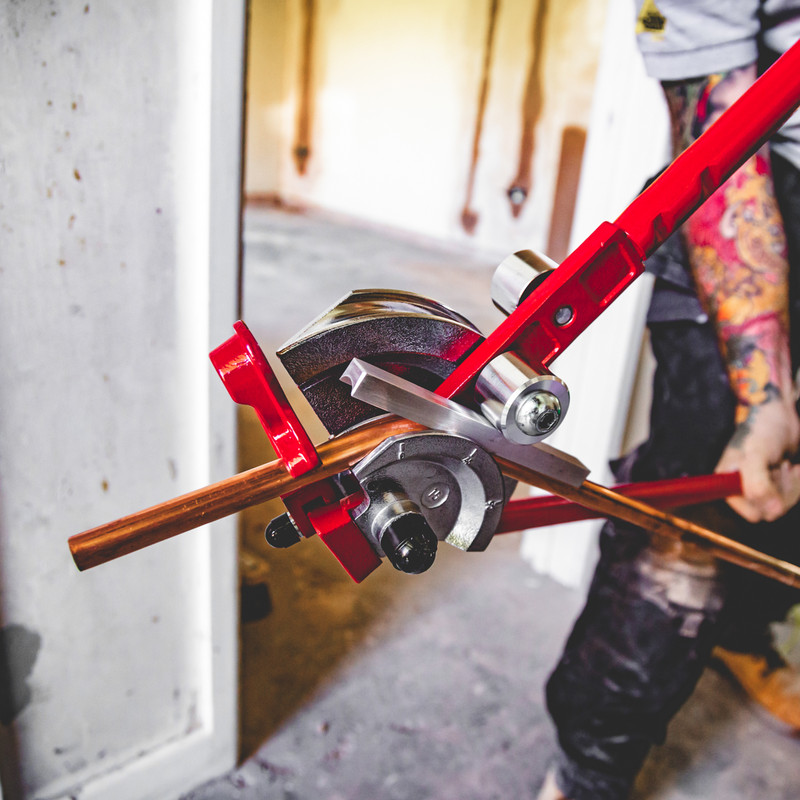
What is a Pipe Bender
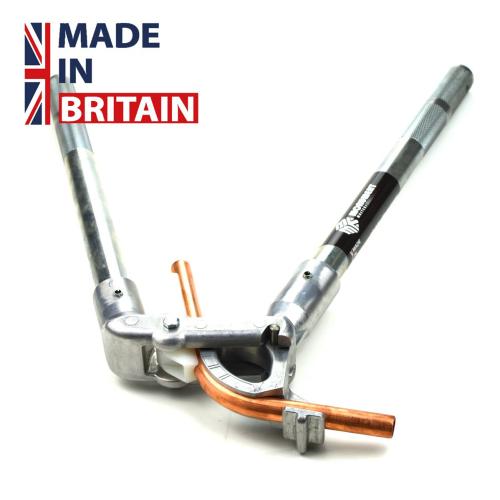
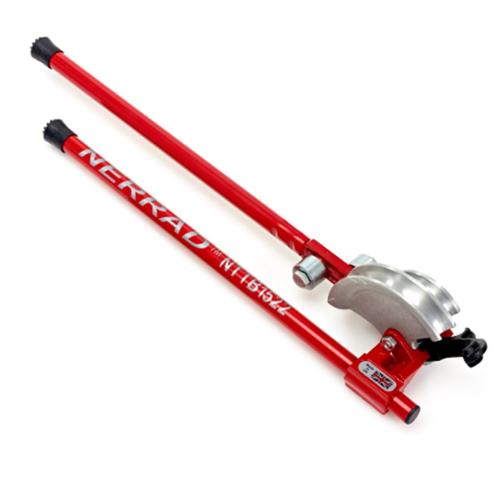
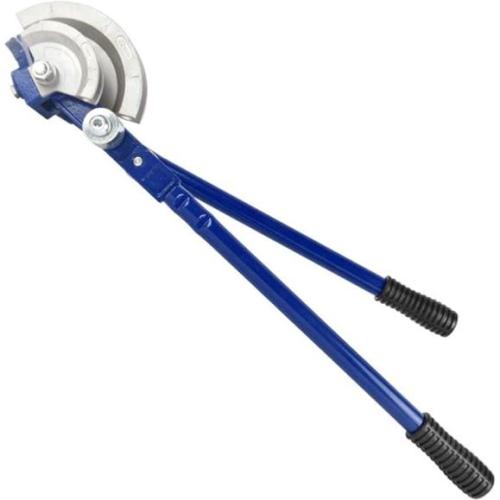
A pipe bender is a tool designed to bend pipes or tubes to a specific angle. It helps shape metal pipes like copper, steel, or aluminium without causing damage such as kinks or flattening. Manual pipe benders are easy to operate, making them suitable for beginners and DIY users.
There are different types of pipe benders:
- Manual pipe benders: Hand-operated, ideal for small jobs and thinner pipes.
- Hydraulic pipe benders: Use hydraulic pressure for bending thicker pipes or heavy-duty jobs.
- Electric pipe benders: Automated machines suited for repetitive or industrial tasks.
For most DIY and plumbing jobs, a manual pipe bender will do the job efficiently. Before starting, always check the pipe size and make sure you have the correct size bender or shoe for your project to achieve the best results.
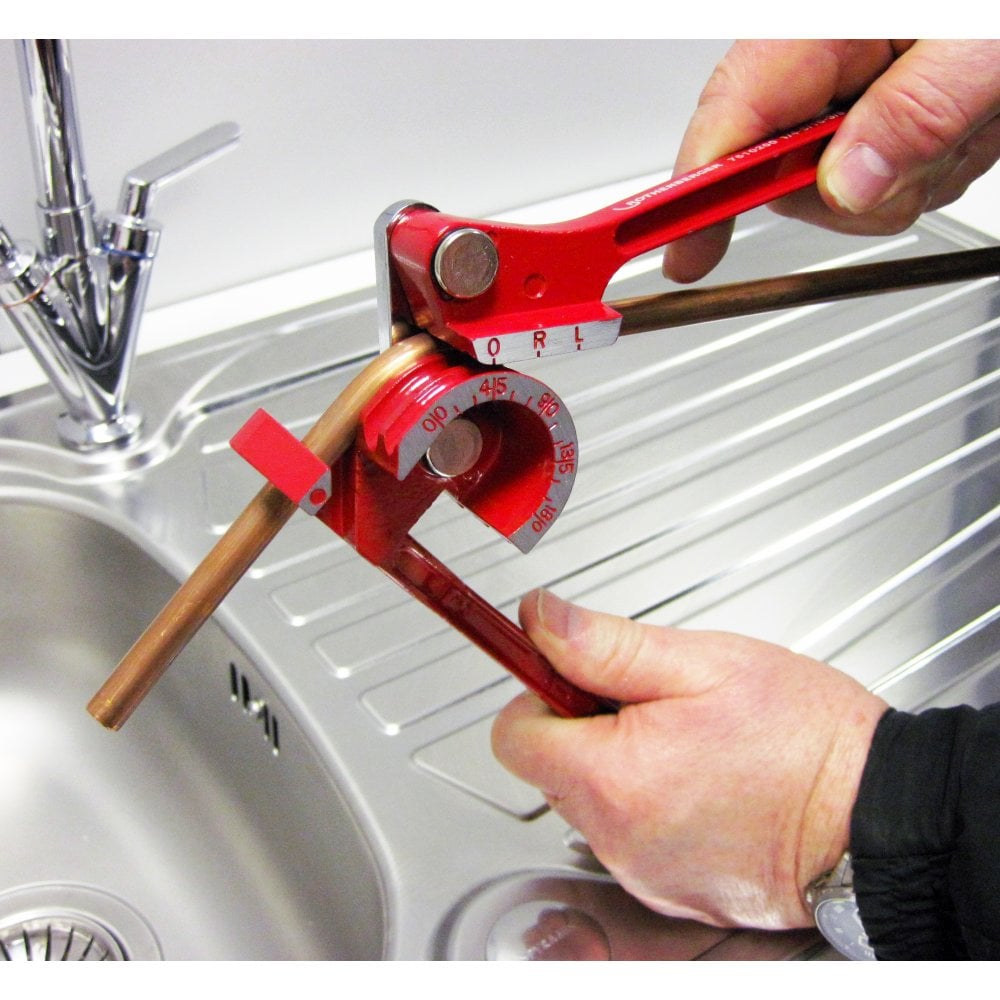
Looking to get hands-on with pipe bending?
Whether you're a DIYer or professional, having the right tools is essential. At Plumb2u, you'll find a full range of pipe bending and soldering tools from trusted brands like Monument Tools. Stock up on essentials like bending springs, pipe slices, and gas torches to complete your setup with confidence.
For extra guidance on tools and cutting techniques before you begin bending, take a look at our Pipe Cutting and Bending Guide—it’s packed with practical advice to help you get clean, professional results.
How to Use a Pipe Bender in 6 Simple Steps
Want smooth, accurate pipe bends without the fuss? Follow these steps for clean, professional-looking results every time.
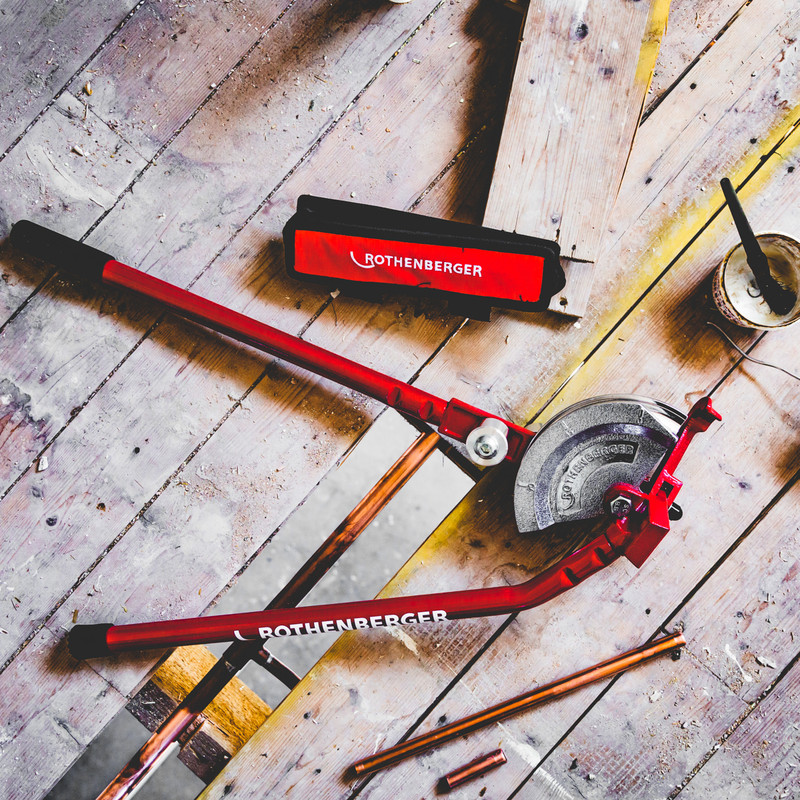
1. Measure and Mark Your Pipe
Precision starts here. Use a tape measure to find the exact point where you want the bend to begin, and determine the correct location for your first mark based on your project requirements. Mark it clearly with a pencil or permanent marker.
Once marked, this first mark is your reference point for making the initial bend. Line the point up with the arrow or guide on your pipe bender. These markings show exactly where the bend starts—miss it, and your whole run could be off. If you’re bending multiple pipes, mark each one carefully to maintain consistency.
2. Choose the Right Bender Shoe (Former)
Pipe benders use different shoes depending on the pipe diameter. Choosing the wrong one is a common mistake and it often leads to flattened or kinked bends.
Check the size of your pipe and match it with the correct shoe. It should fit snugly; not too tight, not too loose. Many benders also include a table that lets you quickly match pipe sizes to the correct shoe for accurate bends. Once selected, attach the shoe securely to the bender.
3. Load the Pipe into the Bender
Insert your pipe into the bender, making sure the mark you made earlier lines up with the centre of the shoe and the directional arrow.
Double-check that:
- The pipe is seated firmly under the hook.
- It’s straight and properly aligned.
- It can’t move or twist as you apply pressure.
The pipe is positioned in the right place within the bender for accurate results. Using a holding clamp can help keep the pipe stable and prevent movement during bending.
4. Start Bending Slow and Steady
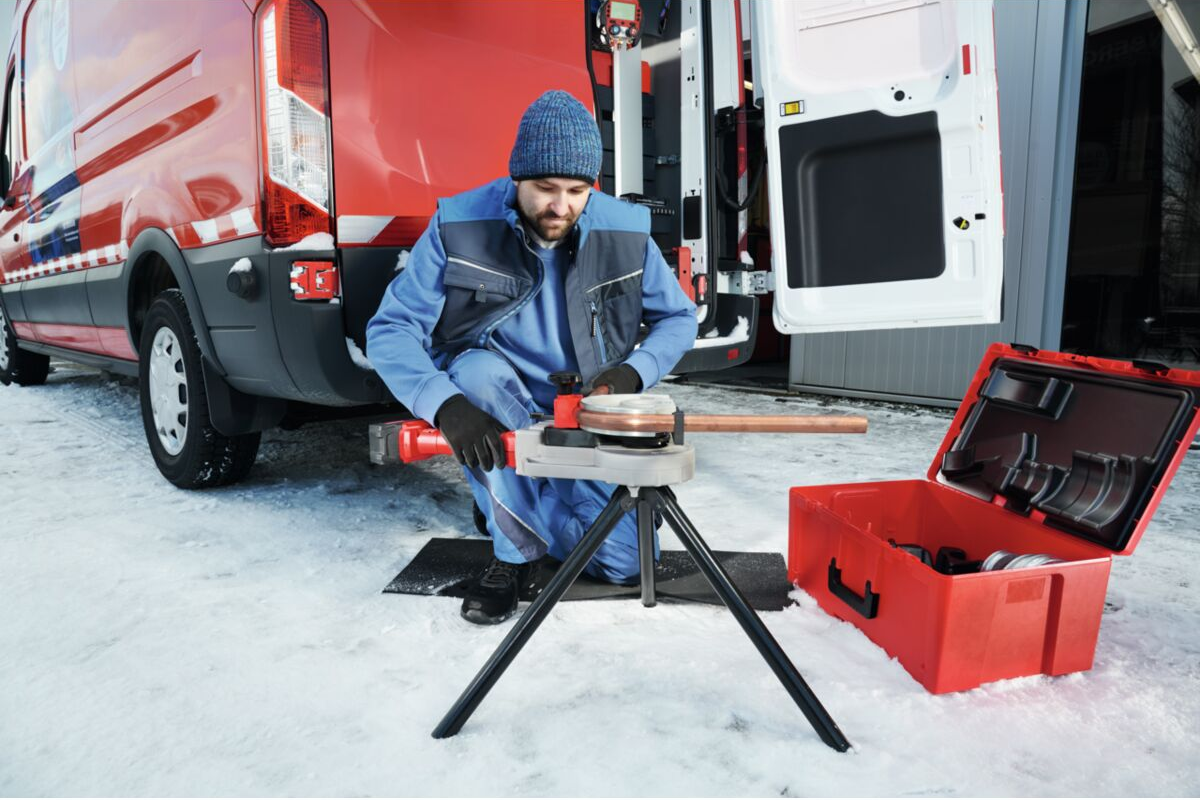
Now comes the fun part. Apply smooth, even pressure to the handle or lever. If your bender has a foot brace, step down to stabilise it. Pull the handle steadily; never jerk or rush it, as the pipe is being pulled to the desired angle.
For manual benders, you may need to brace the pipe against your knee for additional support during the bending process.
Watch for Springback: Pipes, especially copper, tend to bounce back a few degrees after bending. Slightly over-bend to hit your target angle.
After the pipe is pulled to the correct angle, rotating the pipe mid-bend may be needed for complex bends, but keep movements slow and controlled to avoid errors.
5. Check Your Angle as You Go
Don’t eyeball it; check it. Use a protractor, angle finder, or smartphone app to monitor the bend angle. Pause every so often and verify that you’re on track. If you’re aiming for a common angle like 45° or 90°, take extra care to stop at just the right point.
After completing your first bend, check the angle carefully before proceeding to a second bend if your project requires multiple bends. This ensures each bend, including the second bend, is accurate and properly aligned. Most pipe benders also have angle markings on the frame; use these to stay consistent, especially if you’re making multiple bends.
6. Release the Pipe and Inspect Your Work
Once you’ve hit your angle, carefully remove the pipe from the bender. Don’t force it, ease it out while supporting both ends to prevent accidental damage.
Take a close look:
- Is the bend smooth and even?
- Is the pipe still round, or has it flattened?
- Are there any kinks or cracks?
If everything looks good, your pipe bend is complete. If not, review your shoe size, technique, or bending speed before trying again.
Tips for Better Pipe Bending
Mastering pipe bending comes down to a few key practices. Following a consistent procedure is key to successful pipe bending. Understanding the operation of your specific pipe bender will help you achieve better results. Keep these tips in mind to get smoother bends and avoid problems:
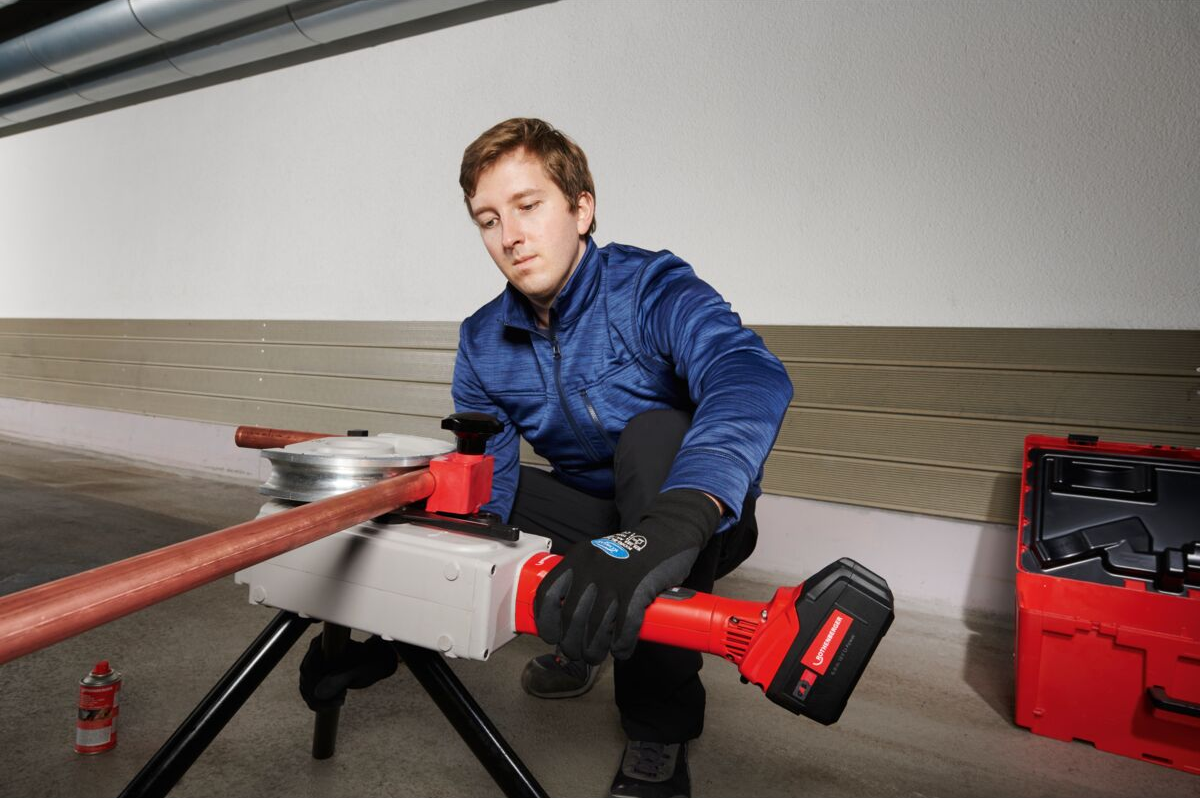
Use the Right Pipe Material
Not all pipes bend the same way. Copper pipe is one of the easiest materials to bend by hand because it’s soft and malleable. A bending spring can be used with softer pipes like copper to help maintain the pipe's shape during manual bending and prevent kinking.
Steel and aluminium pipes, on the other hand, are tougher and require more force or specialised benders. Choosing the right material for your project can save time and effort, especially if you’re new to bending.
Keep Pipe Length in Mind
Before you start bending, make sure you have enough pipe length to work with. Bending short pieces can be tricky because there’s less pipe to grip and control. If you are using a spring bender, insert it into one end of the pipe before starting the bend. Having a bit of extra length also gives you some margin for error if you need to adjust the bend or trim the pipe later.
Lubricate if Needed
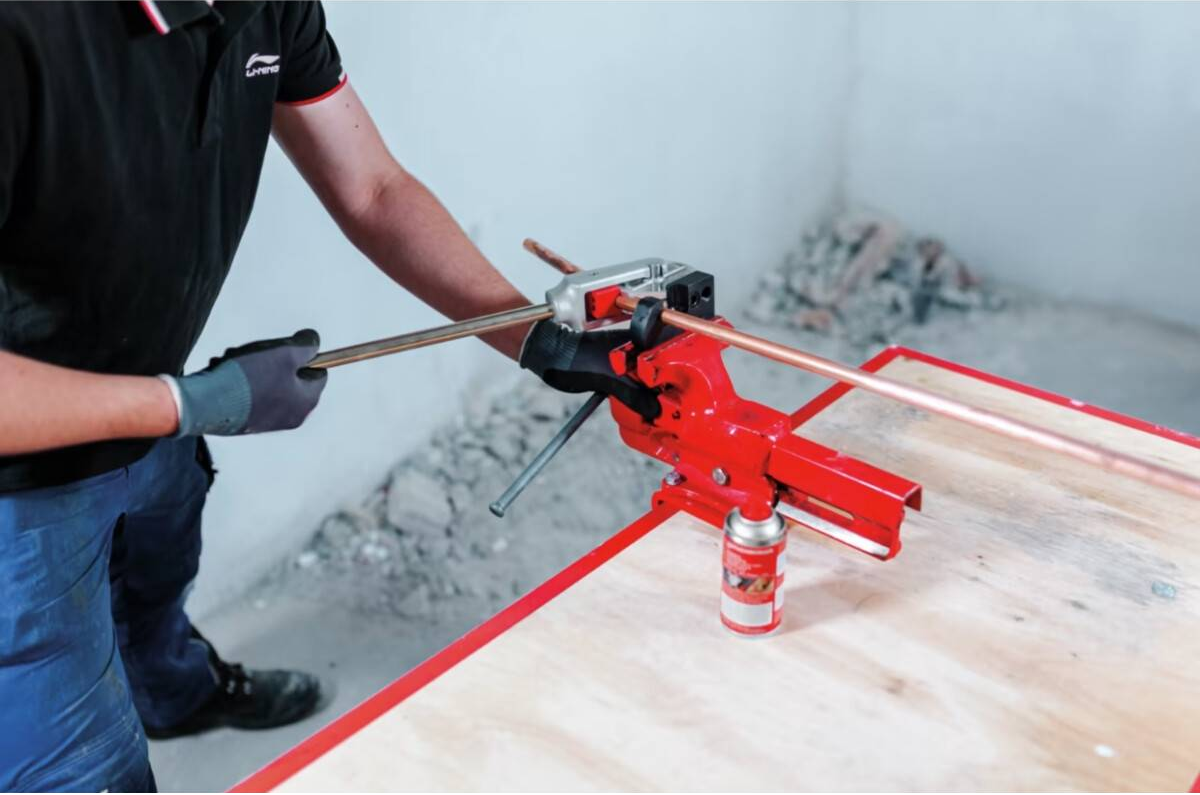
For tougher metals like steel, applying a small amount of lubricant can make the bending process smoother. Lubricants reduce friction between the pipe and the bending shoe, which helps prevent damage to the pipe surface and makes bending easier. Just be sure to choose a lubricant that’s suitable for the pipe material.
Practise First
If you’re using a pipe bender for the first time or working with a new type of pipe, it pays to practise on scrap pieces. When practising, focus on making your first bend accurately, as this sets the stage for any additional bends you may need. This lets you get comfortable with how much pressure to apply and how the pipe behaves as it bends. It’s a simple way to avoid costly mistakes on your actual workpieces.
Don't Rush
Patience is key. Apply pressure gradually and steadily when bending. Rushing or forcing the pipe too quickly often results in kinks or flattening. Slow, controlled movements give you more precision and reduce the chance of damage.
Always Wear Gloves and Goggles
Bending pipes involves pressure and sharp edges. Protect your hands and eyes with gloves and safety goggles to avoid injuries from slipping tools or flying debris. Additionally, always inspect the bender and lubricate joints before use to help prevent slipping during operation.
Final Thoughts
Mastering pipe bending takes practice, patience, and the right tools, but once you’ve got the hang of it, it’s a real game-changer for any plumbing, heating, or DIY job. Whether you’re a first-timer or a seasoned pro, following these steps will help you achieve smooth, precise bends every time.
Need a reliable pipe bender or accessories to get started?
Explore our range of high-quality plumbing tools at Plumb2u, perfect for tackling any project with confidence.
Shop pipe benders and plumbing tools now at Plumb2u and take your toolkit to the next level.
Frequently Asked Questions
1. What types of pipes can I bend with a pipe bender?
You can bend several types of pipes, as well as tubes, tubing, and conduit, including copper, aluminium, and thin-walled steel. Copper is the easiest to work with due to its flexibility. For thicker steel pipes, you may need a hydraulic bender or extra lubrication.
2. Can I bend a pipe without a pipe bender?
While it’s possible to bend some soft pipes by hand or using makeshift tools, a pipe bender ensures a clean, precise bend without kinking or damaging the pipe. For professional results and safety, a proper pipe bender is highly recommended.
3. What’s the difference between manual and hydraulic pipe benders?
Manual benders use physical effort through a lever to bend the pipe and are suitable for smaller-diameter pipes. Hydraulic benders apply pressure through fluid power, making them ideal for larger or thicker pipes where more force is needed.



If you’re working with pipes, whether for plumbing, heating, or DIY projects, knowing how to use a pipe bender is a handy skill.
Pipe bending allows you to shape pipes neatly without cutting or welding, making your work cleaner and more professional.
This guide explains how to use a pipe bender in six steps, perfect for anyone from novices to experienced tradespeople.
What is a Pipe Bender
A pipe bender is a tool designed to bend pipes or tubes to a specific angle. It helps shape metal pipes like copper, steel, or aluminium without causing damage such as kinks or flattening. Manual pipe benders are easy to operate, making them suitable for beginners and DIY users.
There are different types of pipe benders:
- Manual pipe benders: Hand-operated, ideal for small jobs and thinner pipes.
- Hydraulic pipe benders: Use hydraulic pressure for bending thicker pipes or heavy-duty jobs.
- Electric pipe benders: Automated machines suited for repetitive or industrial tasks.
For most DIY and plumbing jobs, a manual pipe bender will do the job efficiently. Before starting, always check the pipe size and make sure you have the correct size bender or shoe for your project to achieve the best results.
Looking to get hands-on with pipe bending?
Whether you're a DIYer or professional, having the right tools is essential. At Plumb2u, you'll find a full range of pipe bending and soldering tools from trusted brands like Monument Tools. Stock up on essentials like bending springs, pipe slices, and gas torches to complete your setup with confidence.
For extra guidance on tools and cutting techniques before you begin bending, take a look at our Pipe Cutting and Bending Guide—it’s packed with practical advice to help you get clean, professional results.
How to Use a Pipe Bender in 6 Simple Steps
Want smooth, accurate pipe bends without the fuss? Follow these steps for clean, professional-looking results every time.
1. Measure and Mark Your Pipe
Precision starts here. Use a tape measure to find the exact point where you want the bend to begin, and determine the correct location for your first mark based on your project requirements. Mark it clearly with a pencil or permanent marker.
Once marked, this first mark is your reference point for making the initial bend. Line the point up with the arrow or guide on your pipe bender. These markings show exactly where the bend starts—miss it, and your whole run could be off. If you’re bending multiple pipes, mark each one carefully to maintain consistency.
2. Choose the Right Bender Shoe (Former)
Pipe benders use different shoes depending on the pipe diameter. Choosing the wrong one is a common mistake and it often leads to flattened or kinked bends.
Check the size of your pipe and match it with the correct shoe. It should fit snugly; not too tight, not too loose. Many benders also include a table that lets you quickly match pipe sizes to the correct shoe for accurate bends. Once selected, attach the shoe securely to the bender.
3. Load the Pipe into the Bender
Insert your pipe into the bender, making sure the mark you made earlier lines up with the centre of the shoe and the directional arrow.
Double-check that:
- The pipe is seated firmly under the hook.
- It’s straight and properly aligned.
- It can’t move or twist as you apply pressure.
The pipe is positioned in the right place within the bender for accurate results. Using a holding clamp can help keep the pipe stable and prevent movement during bending.
4. Start Bending Slow and Steady
Now comes the fun part. Apply smooth, even pressure to the handle or lever. If your bender has a foot brace, step down to stabilise it. Pull the handle steadily; never jerk or rush it, as the pipe is being pulled to the desired angle.
For manual benders, you may need to brace the pipe against your knee for additional support during the bending process.
Watch for Springback: Pipes, especially copper, tend to bounce back a few degrees after bending. Slightly over-bend to hit your target angle.
After the pipe is pulled to the correct angle, rotating the pipe mid-bend may be needed for complex bends, but keep movements slow and controlled to avoid errors.
5. Check Your Angle as You Go
Don’t eyeball it; check it. Use a protractor, angle finder, or smartphone app to monitor the bend angle. Pause every so often and verify that you’re on track. If you’re aiming for a common angle like 45° or 90°, take extra care to stop at just the right point.
After completing your first bend, check the angle carefully before proceeding to a second bend if your project requires multiple bends. This ensures each bend, including the second bend, is accurate and properly aligned. Most pipe benders also have angle markings on the frame; use these to stay consistent, especially if you’re making multiple bends.
6. Release the Pipe and Inspect Your Work
Once you’ve hit your angle, carefully remove the pipe from the bender. Don’t force it, ease it out while supporting both ends to prevent accidental damage.
Take a close look:
- Is the bend smooth and even?
- Is the pipe still round, or has it flattened?
- Are there any kinks or cracks?
If everything looks good, your pipe bend is complete. If not, review your shoe size, technique, or bending speed before trying again.
Tips for Better Pipe Bending
Mastering pipe bending comes down to a few key practices. Following a consistent procedure is key to successful pipe bending. Understanding the operation of your specific pipe bender will help you achieve better results. Keep these tips in mind to get smoother bends and avoid problems:
Use the Right Pipe Material
Not all pipes bend the same way. Copper pipe is one of the easiest materials to bend by hand because it’s soft and malleable. A bending spring can be used with softer pipes like copper to help maintain the pipe's shape during manual bending and prevent kinking.
Steel and aluminium pipes, on the other hand, are tougher and require more force or specialised benders. Choosing the right material for your project can save time and effort, especially if you’re new to bending.
Keep Pipe Length in Mind
Before you start bending, make sure you have enough pipe length to work with. Bending short pieces can be tricky because there’s less pipe to grip and control. If you are using a spring bender, insert it into one end of the pipe before starting the bend. Having a bit of extra length also gives you some margin for error if you need to adjust the bend or trim the pipe later.
Lubricate if Needed
For tougher metals like steel, applying a small amount of lubricant can make the bending process smoother. Lubricants reduce friction between the pipe and the bending shoe, which helps prevent damage to the pipe surface and makes bending easier. Just be sure to choose a lubricant that’s suitable for the pipe material.
Practise First
If you’re using a pipe bender for the first time or working with a new type of pipe, it pays to practise on scrap pieces. When practising, focus on making your first bend accurately, as this sets the stage for any additional bends you may need. This lets you get comfortable with how much pressure to apply and how the pipe behaves as it bends. It’s a simple way to avoid costly mistakes on your actual workpieces.
Don't Rush
Patience is key. Apply pressure gradually and steadily when bending. Rushing or forcing the pipe too quickly often results in kinks or flattening. Slow, controlled movements give you more precision and reduce the chance of damage.
Always Wear Gloves and Goggles
Bending pipes involves pressure and sharp edges. Protect your hands and eyes with gloves and safety goggles to avoid injuries from slipping tools or flying debris. Additionally, always inspect the bender and lubricate joints before use to help prevent slipping during operation.
Final Thoughts
Mastering pipe bending takes practice, patience, and the right tools, but once you’ve got the hang of it, it’s a real game-changer for any plumbing, heating, or DIY job. Whether you’re a first-timer or a seasoned pro, following these steps will help you achieve smooth, precise bends every time.
Need a reliable pipe bender or accessories to get started?
Explore our range of high-quality plumbing tools at Plumb2u, perfect for tackling any project with confidence.
Shop pipe benders and plumbing tools now at Plumb2u and take your toolkit to the next level.
Frequently Asked Questions
1. What types of pipes can I bend with a pipe bender?
You can bend several types of pipes, as well as tubes, tubing, and conduit, including copper, aluminium, and thin-walled steel. Copper is the easiest to work with due to its flexibility. For thicker steel pipes, you may need a hydraulic bender or extra lubrication.
2. Can I bend a pipe without a pipe bender?
While it’s possible to bend some soft pipes by hand or using makeshift tools, a pipe bender ensures a clean, precise bend without kinking or damaging the pipe. For professional results and safety, a proper pipe bender is highly recommended.
3. What’s the difference between manual and hydraulic pipe benders?
Manual benders use physical effort through a lever to bend the pipe and are suitable for smaller-diameter pipes. Hydraulic benders apply pressure through fluid power, making them ideal for larger or thicker pipes where more force is needed.